
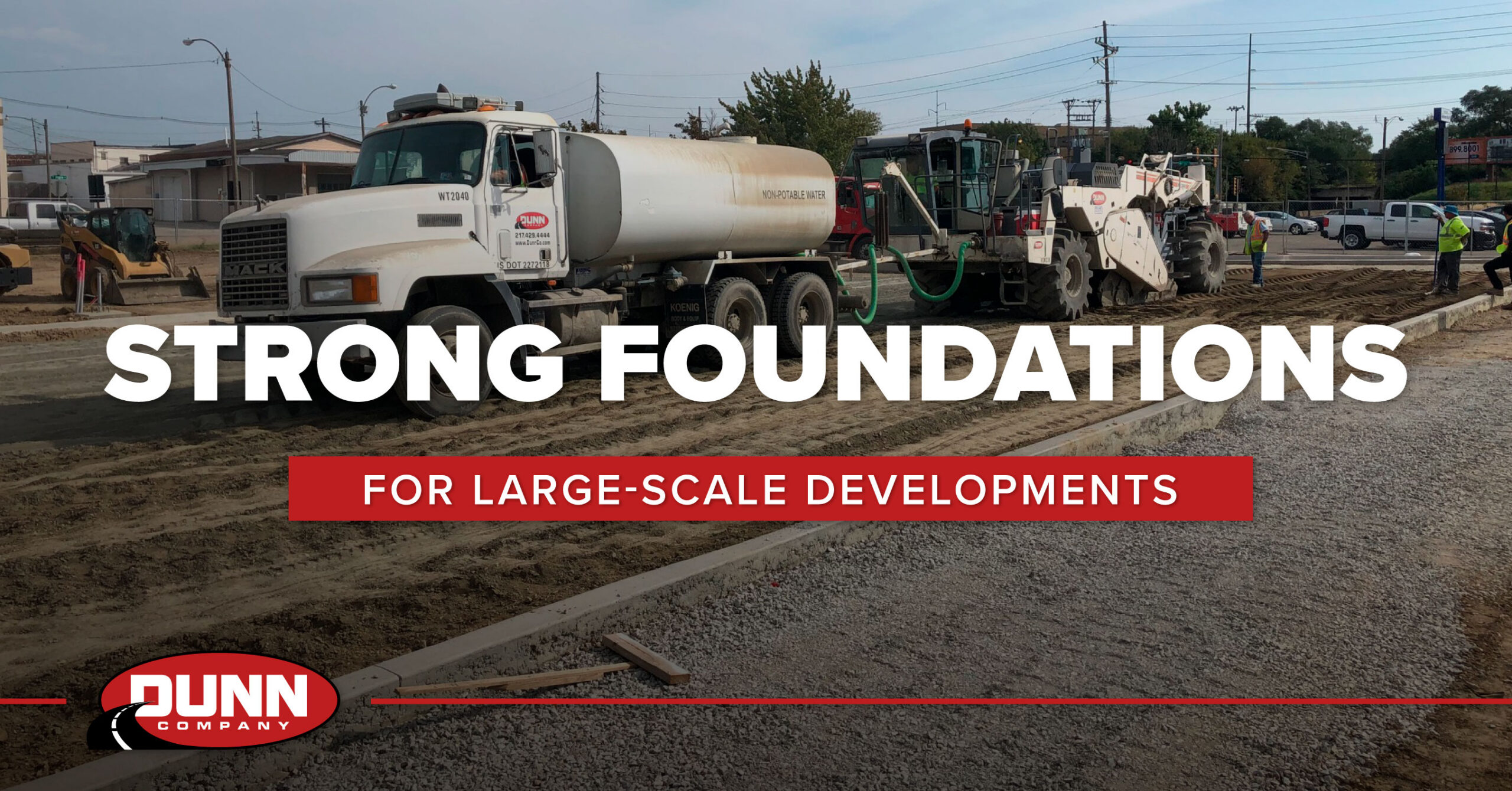
Soil Stabilization for Development Projects
Successful developments start below the surface. Before pavement is placed or structures are built, the condition of the underlying soils plays a critical role in how a project performs over time. When native soils are weak, wet, or highly plastic, soil stabilization provides a practical solution to improve those conditions and create a reliable foundation for construction.
Soil stabilization is the process of modifying existing soils, typically using lime, cement, or fly ash, to improve their engineering properties such as strength, durability, and moisture resistance. Rather than removing unsuitable material and importing new aggregate, stabilization allows developers to improve the soils already on site, creating a stable working platform and long-term support for the project.
Why Stabilization Matters for Development
In development projects, whether commercial, residential, or industrial, the ability of the subgrade to support the needed loads directly impacts performance. Weak soils can lead to settlement, cracking, and premature failure of pavements and foundations.
Stabilization addresses these issues by:
- Increasing shear strength and load-bearing capacity
- Reducing shrink/swell behavior in expansive soils
- Improving moisture resistance and workability
- Minimizing settlement risks over time
These improvements allow construction to proceed on a stronger, more predictable base, reducing the risk of long-term issues.
Benefits for Developers and Contractors
1. Improved Construction Efficiency
Stabilized soils create a firm working platform that can support construction equipment and traffic. This reduces delays caused by soft or wet conditions and helps keep projects moving on schedule.
2. Reduced Excavation and Material Costs
Instead of removing and hauling away unsuitable soils, stabilization allows those materials to be reused in place. This reduces trucking, aggregate import, and disposal costs while improving efficiency on site.
3. Better Long-Term Performance
Stabilization improves the structural capacity of the subgrade, which supports pavement systems, building pads, and access roads. This leads to reduced maintenance needs and longer service life for the finished surface.
4. Moisture Control and Workability
Chemical stabilization reduces soil plasticity and moisture sensitivity, making soils easier to work with during construction and more stable after completion.
5. Consistency Across the Site
Development sites often have variable soil conditions. Stabilization helps create a more uniform subgrade, improving consistency in performance across the entire project footprint.
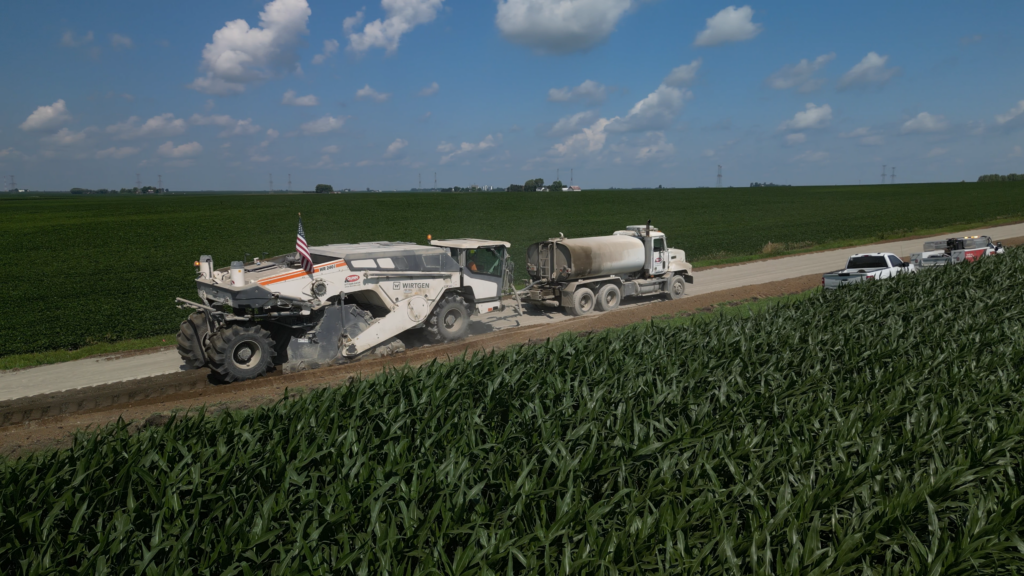
Applications in Development ProjectsSoil stabilization is commonly used in: Commercial site developmentResidential subdivisionsIndustrial yards and facilitiesRoadways and access roadsParking lots and storage areasRenewable energy sites (solar and wind)
Frequently Asked Questions
When should soil stabilization be considered on a development project?
Soil stabilization should be considered when existing soils are too weak, too wet, or highly plastic to support construction. It is often used when subgrade conditions would otherwise require undercutting or could lead to long-term performance issues.
How does soil stabilization compare to undercutting and replacement?
Stabilization is often more efficient and cost-effective than removing and replacing soils. It reduces excavation, hauling, and imported aggregate while improving the strength of the existing material in place.
Can soil stabilization help keep a project on schedule?
Yes. Stabilization creates a firm working platform that allows construction to continue even in less-than-ideal soil conditions. This helps reduce delays caused by soft or wet subgrades.
Does stabilization improve long-term pavement performance?
Yes. By increasing subgrade strength and reducing moisture sensitivity, stabilization supports the pavement structure and helps extend its service life.
Is soil stabilization suitable for all development types?
Soil stabilization is commonly used in commercial, residential, industrial, and renewable energy developments. It is especially beneficial on sites with poor or variable soil conditions.
How does stabilization affect moisture and soil behavior?
Stabilization reduces soil plasticity and moisture sensitivity, making the material more stable during construction and less susceptible to changes from weather conditions over time.
Planning Your Next Development
If you are planning a development project, stabilization may be a practical and effective solution. Contact Dunn Company to review your site conditions and determine the right approach for building a strong, reliable foundation from the ground up.
Stay Connected
For more information and to stay up to date on projects, industry information, and construction methods, follow Dunn Company online on Facebook, Instagram, YouTube, and LinkedIn.