Reduce Risk on Large Development Projects
Large developments operate on tight schedules, significant budgets, and high expectations. Whether it’s a data center, warehouse development, industrial facility, renewable energy project, or large commercial site, delays and unexpected costs can quickly impact project timelines and overall profitability.
While many risks on a project are visible, some of the most costly challenges occur below the surface.
Unstable soils, poor site conditions, and inadequate preparation can create problems long before the first structure is completed. Identifying and addressing these issues early is one of the most effective ways developers can reduce risk and improve the likelihood of project success.
Risk Often Starts Below the Surface
Every development begins with the ground it is built on.
Soft soils, excessive moisture, weak subgrade conditions, and poor load-bearing capacity can create significant challenges during construction. Left unaddressed, these issues can lead to:
- Construction delays
- Reduced productivity
- Increased material costs
- Excessive undercutting and excavation
- Difficult working conditions
- Premature pavement failures
- Unexpected change orders
- Long-term maintenance concerns
The cost of correcting these problems after construction has begun is often substantially greater than addressing them during early site preparation.
Keeping Projects on Schedule
Time is one of the most valuable resources on any development project.
When heavy construction traffic cannot efficiently access the site due to poor ground conditions, progress slows. Equipment becomes less productive, hauling operations become more difficult, and weather events can bring work to a standstill.
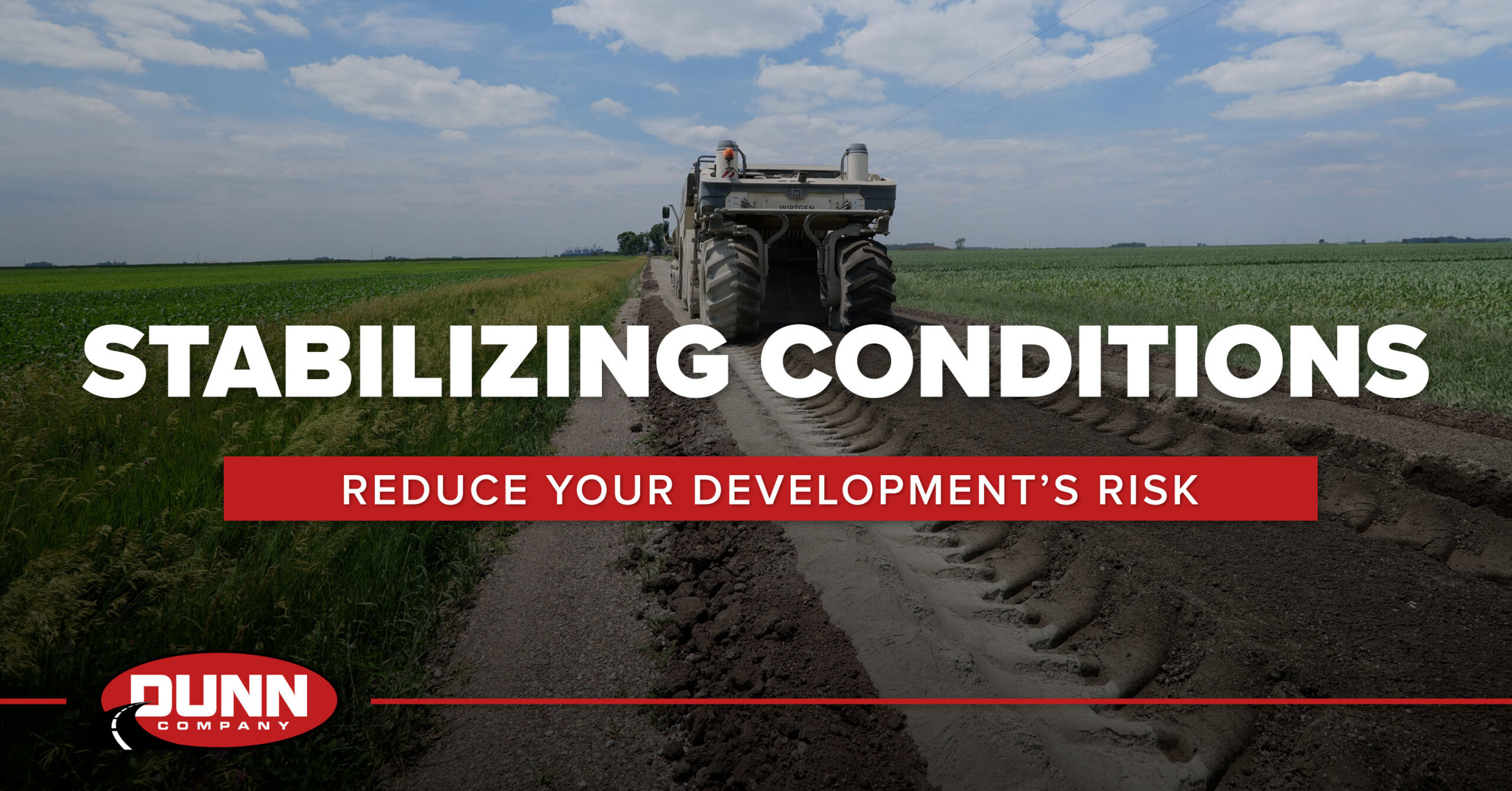
Proper site preparation and stabilization help create reliable working platforms capable of supporting heavy equipment and ongoing construction traffic.
By improving site conditions early, developers can often:
- Maintain construction schedules
- Minimize weather-related disruptions
- Improve jobsite access
- Reduce downtime
- Increase overall productivity
Keeping projects moving ultimately reduces risk and helps protect the overall investment.
Controlling Construction Costs
Unexpected site conditions frequently lead to unexpected costs.
Excessive excavation, imported aggregate, repeated grading efforts, and schedule delays can significantly increase project expenses.
Stabilization solutions can help improve existing soils and reduce the need for costly removal and replacement strategies. In many cases, utilizing on-site materials and improving existing conditions can provide both schedule and budget advantages.
Early evaluation and proactive planning allow developers to make informed decisions before problems become expensive.
Protecting Long-Term Performance
Roadways, parking lots, building pads, and site infrastructure are expected to perform for decades. When underlying soils are unable to adequately support these structures, settlement, cracking, drainage issues, and premature failures can occur.
Addressing subgrade challenges during construction helps protect the investment above it and supports long-term performance long after the project is complete.
Strong infrastructure begins with strong ground conditions.
Reducing Risk Through Partnership
Every site presents unique challenges. Successful projects often depend on partnering with experienced teams that understand how to evaluate conditions, identify potential risks, and develop practical solutions before those challenges affect the schedule.
At Dunn Company, we work alongside developers, contractors, engineers, and project teams to provide stabilization solutions that help improve site conditions, support heavy construction traffic, and keep projects moving forward.
From data centers and warehouse developments to industrial and renewable energy projects, our focus is simple: solve problems early, reduce risk, and help create successful outcomes.
Build with Confidence
Large development projects involve enough uncertainty on their own. Site conditions shouldn’t be one of them.
By identifying challenges early and investing in proper site preparation, developers can reduce risk, improve efficiency, and create a stronger foundation for long-term success.
If your next project is facing difficult ground conditions or site challenges, Dunn Company is ready to help you build with confidence.
Frequently Asked Questions
What is soil stabilization?
Soil stabilization is the process of improving existing soil conditions to create a stronger, more reliable foundation capable of supporting construction activities and long-term infrastructure performance.
Why is soil stabilization important on large development projects?
Large developments often involve heavy construction traffic, tight schedules, and significant investments. Stabilization helps improve poor site conditions, reduce delays, and create working platforms that support efficient construction.
How does stabilization help reduce project risk?
Stabilization helps address weak soils and poor ground conditions before they impact the project. By solving site challenges early, developers can reduce schedule delays, minimize unexpected costs, and improve long-term performance.
What types of projects benefit from stabilization?
Data centers, warehouse developments, industrial facilities, renewable energy projects, commercial developments, and large infrastructure projects can all benefit from stabilization.
Can stabilization help keep projects on schedule?
Yes. Improved ground conditions create more reliable access for heavy equipment and construction traffic, helping crews remain productive and minimizing weather-related disruptions.
Does stabilization reduce construction costs?
In many situations, stabilization can reduce the need for excessive excavation, imported aggregate, and repeated grading efforts, helping control overall project costs.
What happens if poor soil conditions are not addressed?
Unstable soils can lead to construction delays, reduced productivity, settlement, drainage issues, pavement failures, and costly change orders during and after construction.
When should stabilization be considered during a project?
Stabilization should be evaluated as early as possible during site development and planning. Identifying challenges early allows project teams to make informed decisions before construction begins.
How do I know if my site needs stabilization?
An experienced contractor can evaluate site conditions, soil characteristics, and project requirements to determine whether stabilization is the right solution for your development.
Stay Connected
For more information and to stay up to date on projects, industry information, and construction methods, follow Dunn Company online on Facebook, Instagram, YouTube, and LinkedIn.