Category: Blog
Rumble Strips vs. Sinusoidal Mumble Strips
The Evolution of Roadway Safety
For decades, rumble strips have been one of the most effective and economical roadway safety improvements available. By providing a combination of sound and vibration, they alert drivers who unintentionally drift from their lane, helping reduce some of the most severe crashes on our roadways.
Today, transportation agencies are evaluating a newer approach known as sinusoidal rumble strips, also known as “mumble strips.”
While the objective remains the same, the design offers an important advantage for roadways located near homes, businesses, and other noise-sensitive areas.
Why Rumble Strips Work
Lane departure crashes continue to be one of the leading causes of fatal and serious injury crashes. Whether caused by distraction, fatigue, or momentary inattention, drifting across a centerline or off the roadway can have devastating consequences.
Traditional rumble strips address this risk by milling grooves into the pavement that create a noticeable vibration and audible warning inside the vehicle when crossed. That immediate feedback gives drivers valuable time to recognize the lane departure and safely correct their course. Because of their proven effectiveness, rumble strips have become a standard safety treatment on many highways throughout the United States.
The Challenge: Roadside Noise
Although conventional rumble strips provide significant safety benefits, they also generate considerable exterior noise when vehicles travel across them.
Along rural highways this is rarely an issue. However, as communities expand and more roadways pass through residential neighborhoods, parks, schools, and commercial corridors, agencies must balance driver safety with quality of life for nearby residents.
That challenge has led engineers to explore alternative rumble strip profiles.
What Makes Sinusoidal Rumble Strips Different?
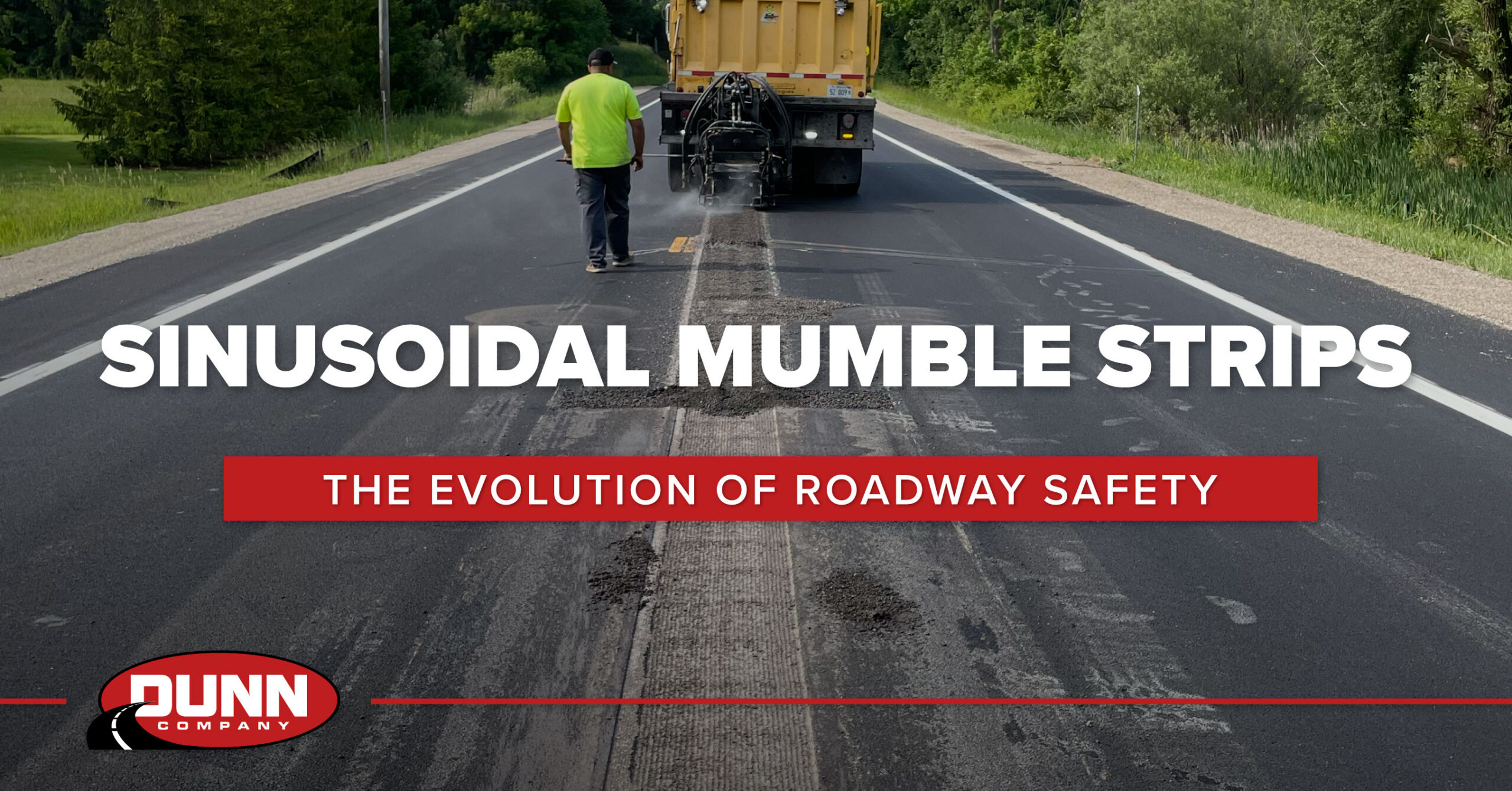
Unlike conventional rectangular grooves, sinusoidal rumble strips use a continuous wave-shaped profile milled into the pavement.
The smoother transition between peaks and valleys changes how vehicle tires interact with the pavement. The result is a warning that still produces meaningful vibration and sound inside the vehicle while significantly reducing the amount of noise projected into the surrounding community. Testing conducted by transportation agencies has shown exterior noise reductions of more than 6 decibels compared to conventional rumble strips, while maintaining comparable in-vehicle warning levels.
Where They Make Sense
Rather than replacing traditional rumble strips everywhere, sinusoidal rumble strips give transportation agencies another option when roadway safety and community considerations intersect.
Potential applications include:
- Residential corridors
- Urban and suburban roadways
- School zones
- Parks and recreational areas
- Roadways with nearby homes or businesses
For higher-speed rural highways where roadside noise is less of a concern, conventional rumble strips continue to be an effective and widely used solution.
A Growing Focus in Illinois
As transportation agencies continue to modernize roadway infrastructure, sinusoidal rumble strips represent another example of how engineering innovation can improve both safety and community compatibility.
Illinois has begun evaluating this technology as part of its ongoing commitment to safer transportation systems, joining other state DOTs that have already demonstrated the benefits of sinusoidal rumble strip designs.
Safety Is Still the Priority
Whether a project utilizes traditional rumble strips or sinusoidal rumble strips, the objective remains unchanged: helping drivers recognize unintended lane departures before a crash occurs.
As roadway design continues to evolve, innovations like sinusoidal rumble strips demonstrate that safety improvements don’t have to come at the expense of the communities they serve.
Leading the Way in Roadway Safety
As Illinois agencies and surrounding states continue to explore innovative safety solutions, Dunn Company is proud to be at the forefront of implementing sinusoidal rumble strips across the Midwest.
By combining proven construction expertise with emerging roadway technologies, we’re helping municipalities, counties, and transportation agencies improve driver safety while addressing the unique needs of the communities they serve.
If you’re planning a roadway improvement project and want to learn whether sinusoidal rumble strips are the right fit, our team is ready to help evaluate the best solution for your roadway.
Frequently Asked Questions
What are sinusoidal rumble strips?
Sinusoidal rumble strips are a newer type of rumble strip that uses a wave-shaped groove to alert drivers while reducing roadside noise compared to traditional rumble strips.
How are sinusoidal rumble strips different from traditional rumble strips?
Both improve driver awareness through vibration and sound, but sinusoidal rumble strips are designed to generate less noise outside the vehicle, making them a good option for noise-sensitive areas.
Where are sinusoidal rumble strips typically used?
They are commonly considered for roadways near residential neighborhoods, schools, parks, and other locations where reducing roadside noise is important.
Do sinusoidal rumble strips improve roadway safety?
Yes. Like traditional rumble strips, they help alert drivers who unintentionally leave their lane, reducing the risk of roadway departure crashes.
Can sinusoidal rumble strips be installed on existing roads?
Yes. They are typically milled into existing pavement as part of a resurfacing or roadway improvement project, making them an efficient safety enhancement.
Stay Connected
For more information and to stay up to date on projects, industry information, and construction methods, follow Dunn Company online on Facebook, Instagram, YouTube, and LinkedIn.
5 Signs Your Parking Lot Needs More Than Maintenance
For many businesses, a parking lot is one of the first things customers experience. It welcomes employees each morning, guides visitors to your front door, and supports daily operations year after year.
Like any investment, your asphalt pavement requires maintenance to perform its best. Services such as crack filling, sealcoating, and localized repairs can significantly extend pavement life when performed at the right time.
However, there comes a point when maintenance alone is no longer enough.
Knowing when a parking lot has moved beyond routine maintenance can help property owners avoid escalating repair costs, improve safety, and make more informed decisions about future improvements.
1. Widespread Cracking Covers Large Areas
A few isolated cracks are normal as pavement ages. In many cases, crack filling can effectively prevent water intrusion and extend the life of the pavement.
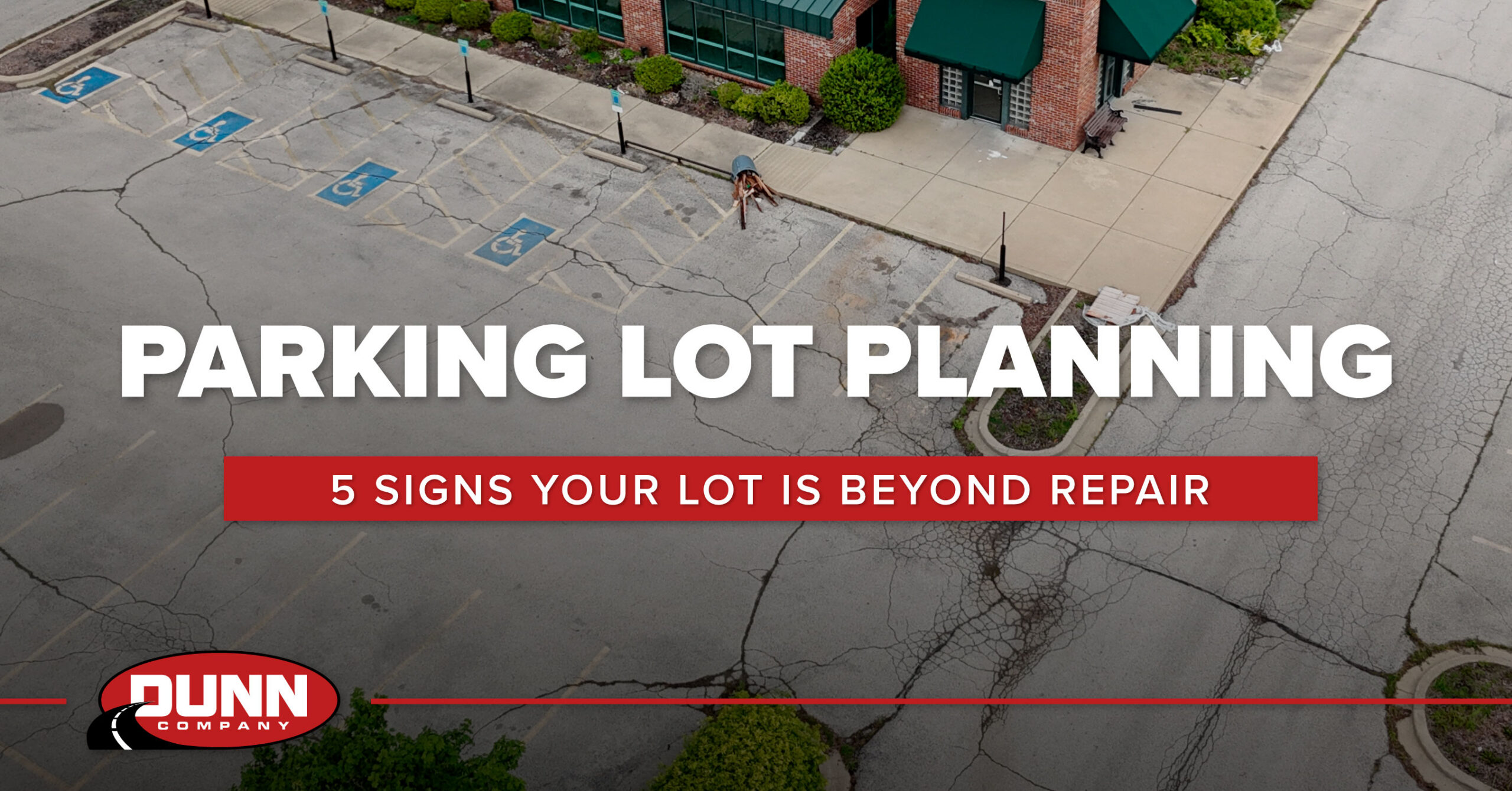
But when cracking becomes widespread across large sections of the parking lot, it may indicate deeper structural problems.
Common warning signs include:
- Extensive interconnected cracks
- Fatigue or “alligator” cracking
- Repeated cracking in the same locations after repairs
- Large areas with multiple crack patterns
These types of cracks often suggest that the pavement structure below the surface has begun to fail. In these situations, simply filling cracks may only provide a temporary cosmetic improvement.
2. Potholes Continue to Reappear
Potholes are often a symptom of underlying pavement deterioration.
Occasional pothole repairs are common. However, if potholes continue appearing in the same areas year after year, there may be issues such as:
- Base failures
- Moisture intrusion
- Poor drainage
- Loss of structural support
When this occurs, repeated patching can become increasingly expensive without solving the actual problem.
A more comprehensive rehabilitation strategy may provide a better long-term solution.
3. Drainage Problems Are Becoming More Frequent
Water is one of asphalt pavement’s greatest enemies.
If water is no longer draining properly and standing water remains after rainfall, your parking lot may be experiencing structural settlement or surface deformation.
Signs of drainage problems include:
- Standing water or ponding
- Depressions in the pavement surface
- Water flowing toward buildings or sidewalks
- Areas that remain wet long after rain events
Poor drainage accelerates pavement deterioration and can create safety concerns for pedestrians and vehicles alike.
Addressing drainage issues early can help prevent much larger problems in the future.
4. The Parking Lot Has Been Repaired Repeatedly
There comes a point when continual repairs become less cost-effective than larger rehabilitation efforts.
If your property has required:
- Frequent patching
- Annual crack repairs
- Multiple sealcoat applications on deteriorating pavement
- Ongoing emergency repairs
Now is the time to evaluate whether a resurfacing or reconstruction project would provide better long-term value.
Property owners often discover that investing in a larger improvement project can reduce future maintenance costs while providing a significantly improved appearance and performance.
5. Safety and Appearance Are Being Affected
Your parking lot plays a major role in the experience customers, tenants, employees, and visitors have at your property.
When pavement deterioration begins affecting safety or creating a negative first impression, maintenance alone may no longer be sufficient.
Warning signs include:
- Uneven surfaces creating trip hazards
- Extensive surface deterioration
- Poor ride quality
- Faded or difficult-to-maintain surfaces
- A worn appearance that detracts from the property
A revitalized parking lot not only improves safety but also demonstrates pride in your business and investment in your property.
The Right Solution Starts with the Right Evaluation
Every parking lot is different. Some surfaces can benefit from preventative maintenance, while others may require resurfacing, rehabilitation, or reconstruction to achieve long-term performance.
The key is understanding the condition of your pavement before small problems become major expenses.
At Dunn Company, we work with businesses, churches, schools, and property owners throughout Central Illinois to evaluate pavement conditions and recommend solutions designed for long-term success.
If your parking lot is showing signs of significant wear, now may be the right time to start the conversation.
Frequently Asked Questions
How do I know if my parking lot needs more than sealcoating?
If your parking lot has widespread cracking, recurring potholes, drainage problems, or areas of significant surface deterioration, maintenance alone may no longer be enough. A professional pavement evaluation can help determine whether resurfacing or reconstruction is the better long-term solution.
What is alligator cracking and why is it important?
Alligator cracking is a series of interconnected cracks that resemble the scales on an alligator’s skin. This type of cracking often indicates structural failure beneath the surface and is usually a sign that more extensive repairs are needed.
Can potholes be patched?
In some cases, yes. However, if potholes continue to reappear in the same locations, there may be underlying base or drainage issues that need to be addressed. Repeated patching without correcting the root cause often leads to additional repairs and expense.
What causes parking lots to fail?
The most common causes of parking lot failure include water intrusion, poor drainage, heavy traffic loads, aging pavement, inadequate maintenance, and underlying base failures.
How long should a commercial parking lot last?
The lifespan of a commercial parking lot depends on traffic volume, weather conditions, maintenance practices, and the quality of the original construction. With proper maintenance, asphalt parking lots can often provide decades of service.
How can I extend the life of my parking lot?
Routine crack filling, sealcoating, proper drainage management, and addressing minor issues before they become major problems are some of the best ways to maximize pavement life and reduce long-term costs.
How often should a commercial parking lot be inspected?
Property owners should inspect parking lots annually and after severe weather events. Regular inspections help identify developing issues early, allowing for more cost-effective maintenance and repairs.
How do I know which solution is right for my parking lot?
Every parking lot is different. The best way to determine the right solution is to have an experienced asphalt professional evaluate the pavement condition, drainage, traffic demands, and long-term goals for the property.
Stay Connected
For more information and to stay up to date on projects, industry information, and construction methods, follow Dunn Company online on Facebook, Instagram, YouTube, and LinkedIn.
Reduce Risk on Large Development Projects
Large developments operate on tight schedules, significant budgets, and high expectations. Whether it’s a data center, warehouse development, industrial facility, renewable energy project, or large commercial site, delays and unexpected costs can quickly impact project timelines and overall profitability.
While many risks on a project are visible, some of the most costly challenges occur below the surface.
Unstable soils, poor site conditions, and inadequate preparation can create problems long before the first structure is completed. Identifying and addressing these issues early is one of the most effective ways developers can reduce risk and improve the likelihood of project success.
Risk Often Starts Below the Surface
Every development begins with the ground it is built on.
Soft soils, excessive moisture, weak subgrade conditions, and poor load-bearing capacity can create significant challenges during construction. Left unaddressed, these issues can lead to:
- Construction delays
- Reduced productivity
- Increased material costs
- Excessive undercutting and excavation
- Difficult working conditions
- Premature pavement failures
- Unexpected change orders
- Long-term maintenance concerns
The cost of correcting these problems after construction has begun is often substantially greater than addressing them during early site preparation.
Keeping Projects on Schedule
Time is one of the most valuable resources on any development project.
When heavy construction traffic cannot efficiently access the site due to poor ground conditions, progress slows. Equipment becomes less productive, hauling operations become more difficult, and weather events can bring work to a standstill.
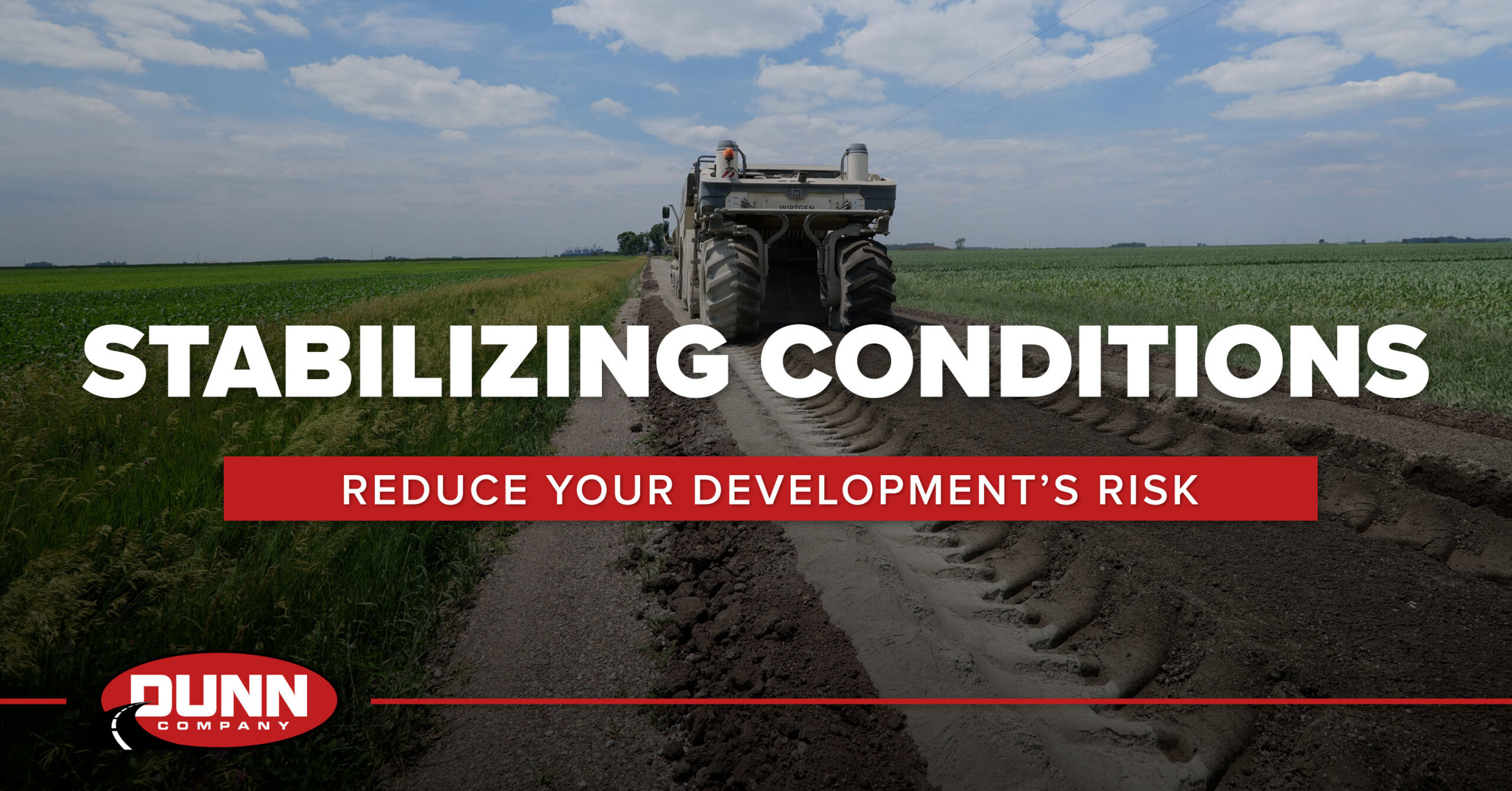
Proper site preparation and stabilization help create reliable working platforms capable of supporting heavy equipment and ongoing construction traffic.
By improving site conditions early, developers can often:
- Maintain construction schedules
- Minimize weather-related disruptions
- Improve jobsite access
- Reduce downtime
- Increase overall productivity
Keeping projects moving ultimately reduces risk and helps protect the overall investment.
Controlling Construction Costs
Unexpected site conditions frequently lead to unexpected costs.
Excessive excavation, imported aggregate, repeated grading efforts, and schedule delays can significantly increase project expenses.
Stabilization solutions can help improve existing soils and reduce the need for costly removal and replacement strategies. In many cases, utilizing on-site materials and improving existing conditions can provide both schedule and budget advantages.
Early evaluation and proactive planning allow developers to make informed decisions before problems become expensive.
Protecting Long-Term Performance
Roadways, parking lots, building pads, and site infrastructure are expected to perform for decades. When underlying soils are unable to adequately support these structures, settlement, cracking, drainage issues, and premature failures can occur.
Addressing subgrade challenges during construction helps protect the investment above it and supports long-term performance long after the project is complete.
Strong infrastructure begins with strong ground conditions.
Reducing Risk Through Partnership
Every site presents unique challenges. Successful projects often depend on partnering with experienced teams that understand how to evaluate conditions, identify potential risks, and develop practical solutions before those challenges affect the schedule.
At Dunn Company, we work alongside developers, contractors, engineers, and project teams to provide stabilization solutions that help improve site conditions, support heavy construction traffic, and keep projects moving forward.
From data centers and warehouse developments to industrial and renewable energy projects, our focus is simple: solve problems early, reduce risk, and help create successful outcomes.
Build with Confidence
Large development projects involve enough uncertainty on their own. Site conditions shouldn’t be one of them.
By identifying challenges early and investing in proper site preparation, developers can reduce risk, improve efficiency, and create a stronger foundation for long-term success.
If your next project is facing difficult ground conditions or site challenges, Dunn Company is ready to help you build with confidence.
Frequently Asked Questions
What is soil stabilization?
Soil stabilization is the process of improving existing soil conditions to create a stronger, more reliable foundation capable of supporting construction activities and long-term infrastructure performance.
Why is soil stabilization important on large development projects?
Large developments often involve heavy construction traffic, tight schedules, and significant investments. Stabilization helps improve poor site conditions, reduce delays, and create working platforms that support efficient construction.
How does stabilization help reduce project risk?
Stabilization helps address weak soils and poor ground conditions before they impact the project. By solving site challenges early, developers can reduce schedule delays, minimize unexpected costs, and improve long-term performance.
What types of projects benefit from stabilization?
Data centers, warehouse developments, industrial facilities, renewable energy projects, commercial developments, and large infrastructure projects can all benefit from stabilization.
Can stabilization help keep projects on schedule?
Yes. Improved ground conditions create more reliable access for heavy equipment and construction traffic, helping crews remain productive and minimizing weather-related disruptions.
Does stabilization reduce construction costs?
In many situations, stabilization can reduce the need for excessive excavation, imported aggregate, and repeated grading efforts, helping control overall project costs.
What happens if poor soil conditions are not addressed?
Unstable soils can lead to construction delays, reduced productivity, settlement, drainage issues, pavement failures, and costly change orders during and after construction.
When should stabilization be considered during a project?
Stabilization should be evaluated as early as possible during site development and planning. Identifying challenges early allows project teams to make informed decisions before construction begins.
How do I know if my site needs stabilization?
An experienced contractor can evaluate site conditions, soil characteristics, and project requirements to determine whether stabilization is the right solution for your development.
Stay Connected
For more information and to stay up to date on projects, industry information, and construction methods, follow Dunn Company online on Facebook, Instagram, YouTube, and LinkedIn.
Soil Stabilization for Development Projects
Successful developments start below the surface. Before pavement is placed or structures are built, the condition of the underlying soils plays a critical role in how a project performs over time. When native soils are weak, wet, or highly plastic, soil stabilization provides a practical solution to improve those conditions and create a reliable foundation for construction.
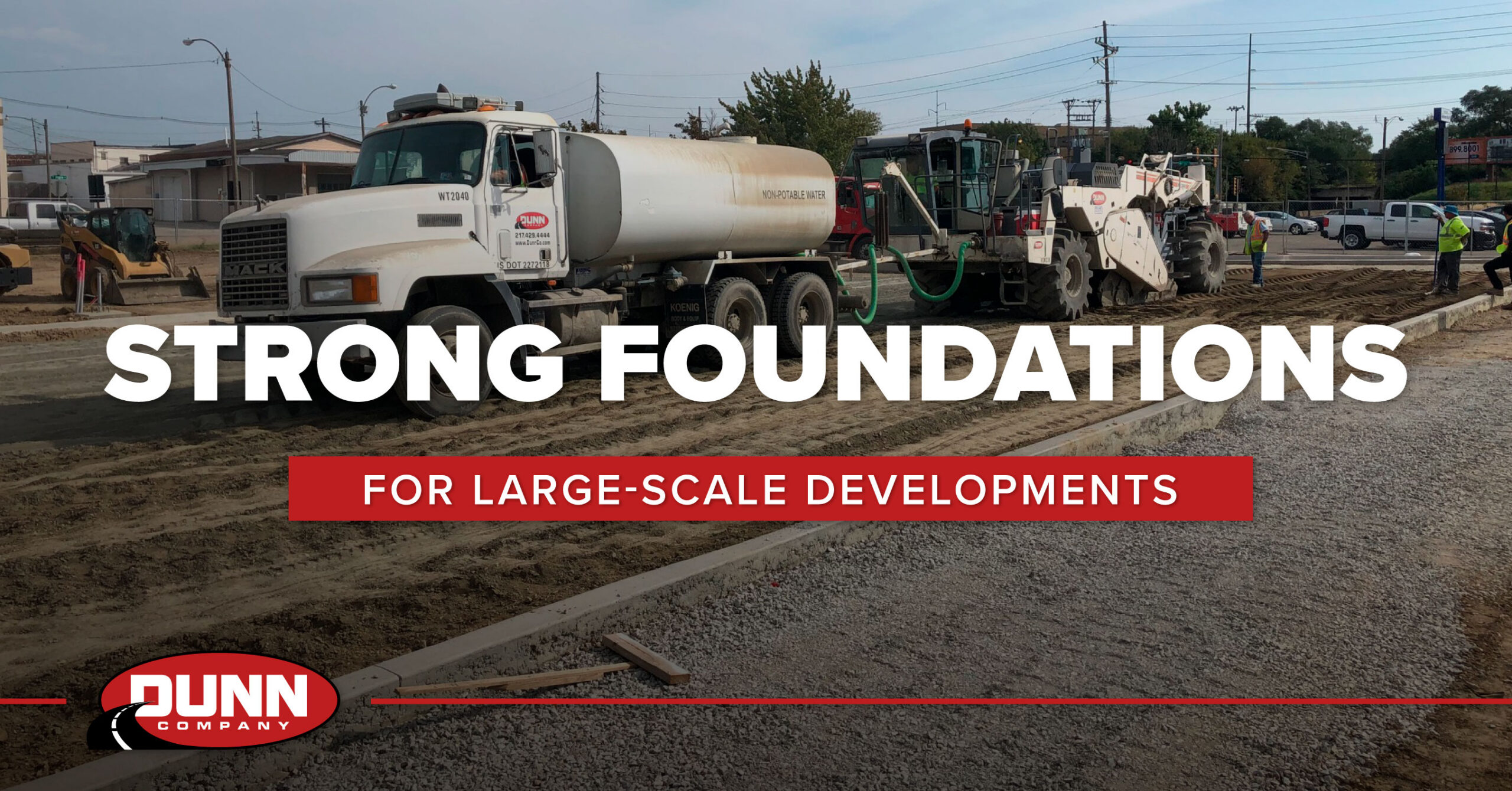
Soil stabilization is the process of modifying existing soils, typically using lime, cement, or fly ash, to improve their engineering properties such as strength, durability, and moisture resistance. Rather than removing unsuitable material and importing new aggregate, stabilization allows developers to improve the soils already on site, creating a stable working platform and long-term support for the project.
Why Stabilization Matters for Development
In development projects, whether commercial, residential, or industrial, the ability of the subgrade to support the needed loads directly impacts performance. Weak soils can lead to settlement, cracking, and premature failure of pavements and foundations.
Stabilization addresses these issues by:
- Increasing shear strength and load-bearing capacity
- Reducing shrink/swell behavior in expansive soils
- Improving moisture resistance and workability
- Minimizing settlement risks over time
These improvements allow construction to proceed on a stronger, more predictable base, reducing the risk of long-term issues.
Benefits for Developers and Contractors
1. Improved Construction Efficiency
Stabilized soils create a firm working platform that can support construction equipment and traffic. This reduces delays caused by soft or wet conditions and helps keep projects moving on schedule.
2. Reduced Excavation and Material Costs
Instead of removing and hauling away unsuitable soils, stabilization allows those materials to be reused in place. This reduces trucking, aggregate import, and disposal costs while improving efficiency on site.
3. Better Long-Term Performance
Stabilization improves the structural capacity of the subgrade, which supports pavement systems, building pads, and access roads. This leads to reduced maintenance needs and longer service life for the finished surface.
4. Moisture Control and Workability
Chemical stabilization reduces soil plasticity and moisture sensitivity, making soils easier to work with during construction and more stable after completion.
5. Consistency Across the Site
Development sites often have variable soil conditions. Stabilization helps create a more uniform subgrade, improving consistency in performance across the entire project footprint.
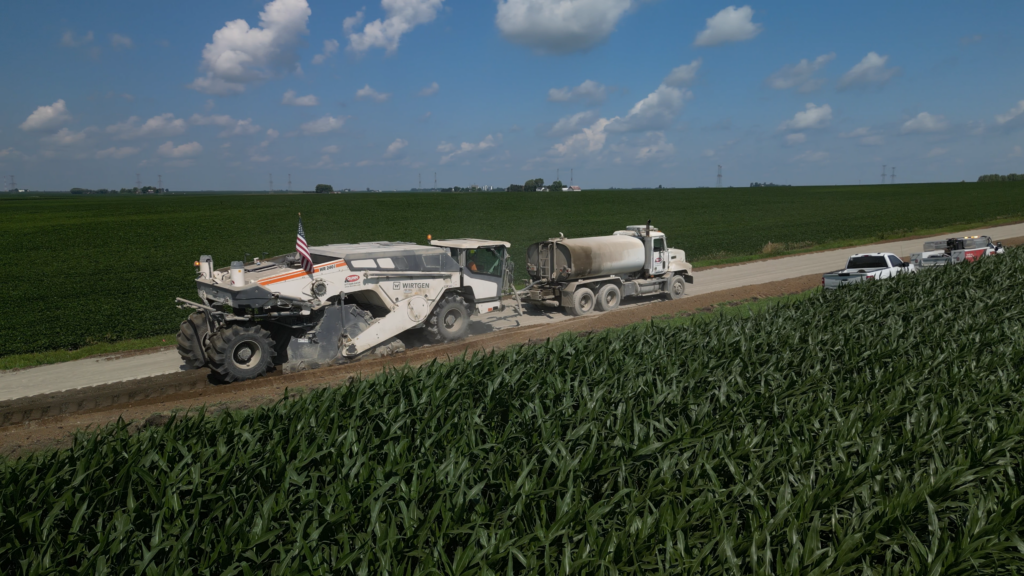
Applications in Development ProjectsSoil stabilization is commonly used in: Commercial site developmentResidential subdivisionsIndustrial yards and facilitiesRoadways and access roadsParking lots and storage areasRenewable energy sites (solar and wind)
Frequently Asked Questions
When should soil stabilization be considered on a development project?
Soil stabilization should be considered when existing soils are too weak, too wet, or highly plastic to support construction. It is often used when subgrade conditions would otherwise require undercutting or could lead to long-term performance issues.
How does soil stabilization compare to undercutting and replacement?
Stabilization is often more efficient and cost-effective than removing and replacing soils. It reduces excavation, hauling, and imported aggregate while improving the strength of the existing material in place.
Can soil stabilization help keep a project on schedule?
Yes. Stabilization creates a firm working platform that allows construction to continue even in less-than-ideal soil conditions. This helps reduce delays caused by soft or wet subgrades.
Does stabilization improve long-term pavement performance?
Yes. By increasing subgrade strength and reducing moisture sensitivity, stabilization supports the pavement structure and helps extend its service life.
Is soil stabilization suitable for all development types?
Soil stabilization is commonly used in commercial, residential, industrial, and renewable energy developments. It is especially beneficial on sites with poor or variable soil conditions.
How does stabilization affect moisture and soil behavior?
Stabilization reduces soil plasticity and moisture sensitivity, making the material more stable during construction and less susceptible to changes from weather conditions over time.
Planning Your Next Development
If you are planning a development project, stabilization may be a practical and effective solution. Contact Dunn Company to review your site conditions and determine the right approach for building a strong, reliable foundation from the ground up.
Stay Connected
For more information and to stay up to date on projects, industry information, and construction methods, follow Dunn Company online on Facebook, Instagram, YouTube, and LinkedIn.
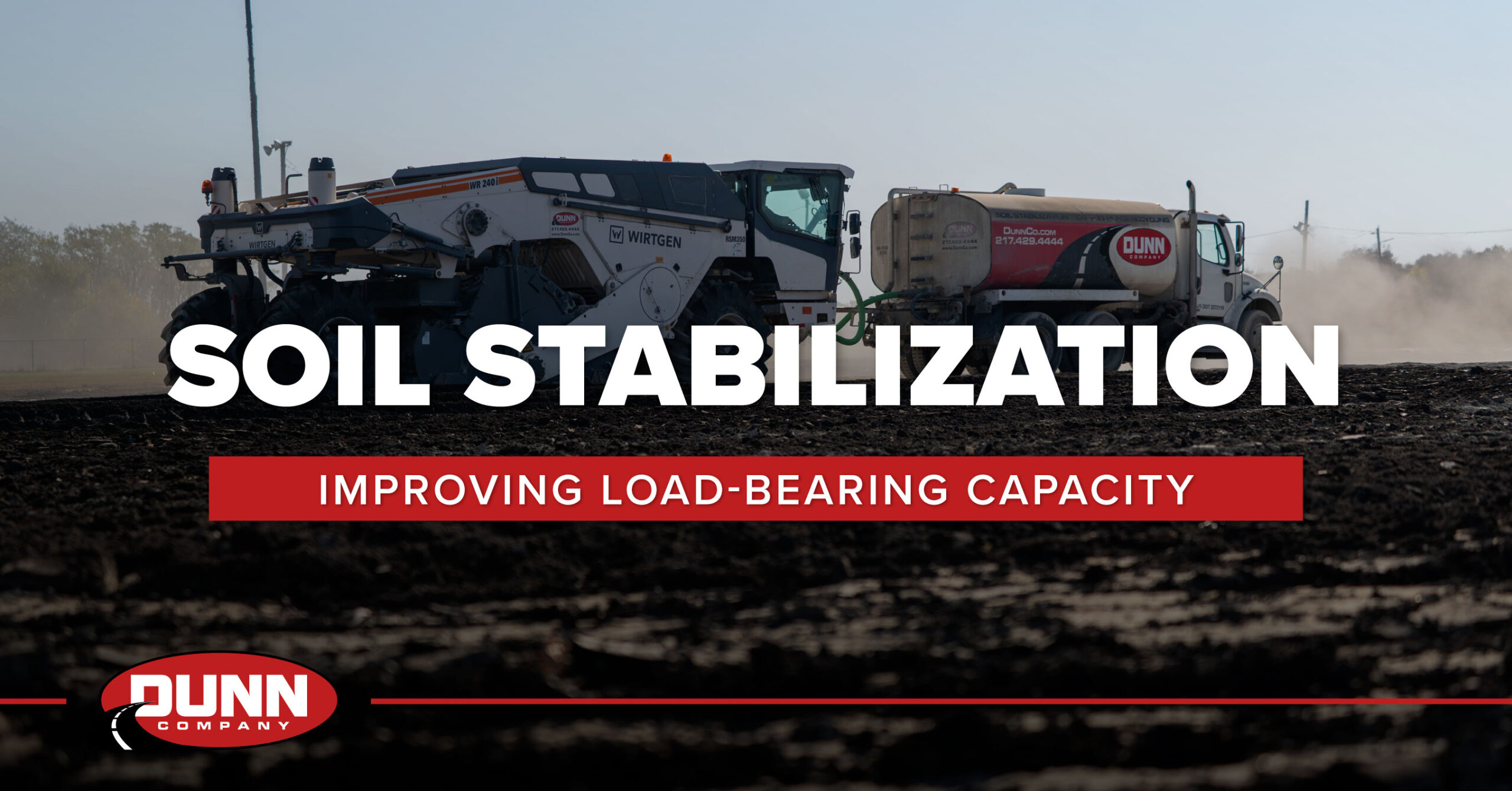
How Soil Stabilization Improves Load-Bearing Capacity
Soil stabilization is an important step in construction when existing subgrade soils are not suitable for supporting pavement, building foundation, access roads, or other infrastructure. Soil Stabilization is the process of incorporating materials such as lime, cement, or fly ash into the subgrade to chemically and structurally improve the soil so it can support construction loads and long-term traffic.
Rather than removing unsuitable soils and importing large quantities of aggregate, stabilization allows contractors and engineers to improve the soils already in place. This process strengthens the foundation of the project and provides a more reliable base for whatever is being constructed above it.
What Soil Stabilization Does
When lime, cement, or fly ash is mixed into the subgrade, it reacts with the existing soil and moisture to create a stronger, more stable material. This process changes the engineering properties of the soil and improves its ability to support loads.
Soil stabilization provides several key benefits:
- Increased soil strength
- Streamlined construction schedules
- Economical use of existing subgrades
- Increased optimum moisture content of the subgrade
- Reduced soil plasticity
- Decreased effects of freeze-thaw cycles
These improvements allow the stabilized subgrade to support construction equipment during the project and provide long-term structural support for the pavement or structure built above it.
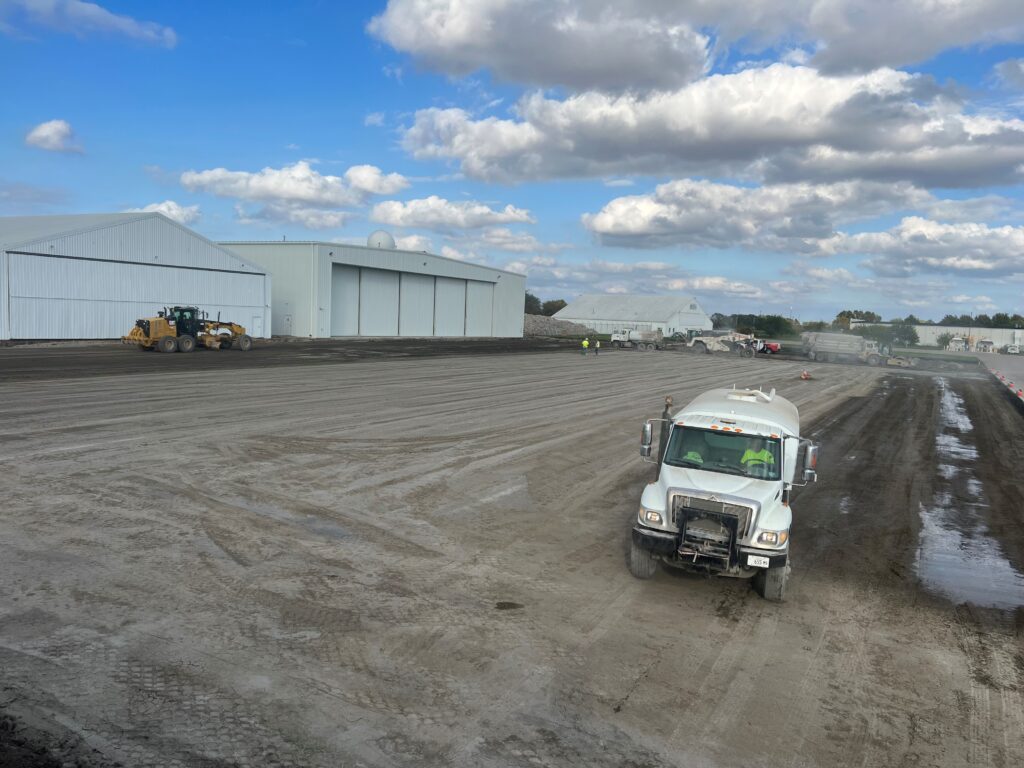
Soil Stabilization Improves Load-Bearing Capacity
Load-bearing capacity refers to the ability of the soil to support weight without excessive settlement, rutting, or failure. Weak soils can lead to pavement cracking, rutting, pumping, and premature failure. Stabilization improves the load-bearing capacity by increasing soil strength and reducing moisture sensitivity.
By strengthening the subgrade, loads are distributed more evenly through the pavement structure, which reduces stress on the surface layer and base materials. This helps prevent structural failures and improves overall pavement performance.
The Importance of a Strong Foundation
From projects such as roadways, parking lots, access roads, building pads, and industrial yards, the performance of the surface depends on the strength of the material underneath it. A properly stabilized subgrade creates a strong foundation that supports the entire pavement structure.
When the foundation is strong, the pavement above it lasts longer, performs better, and requires less maintenance over time. Many pavement failures are not caused by the surface, but by weak or unstable subgrade soils below.
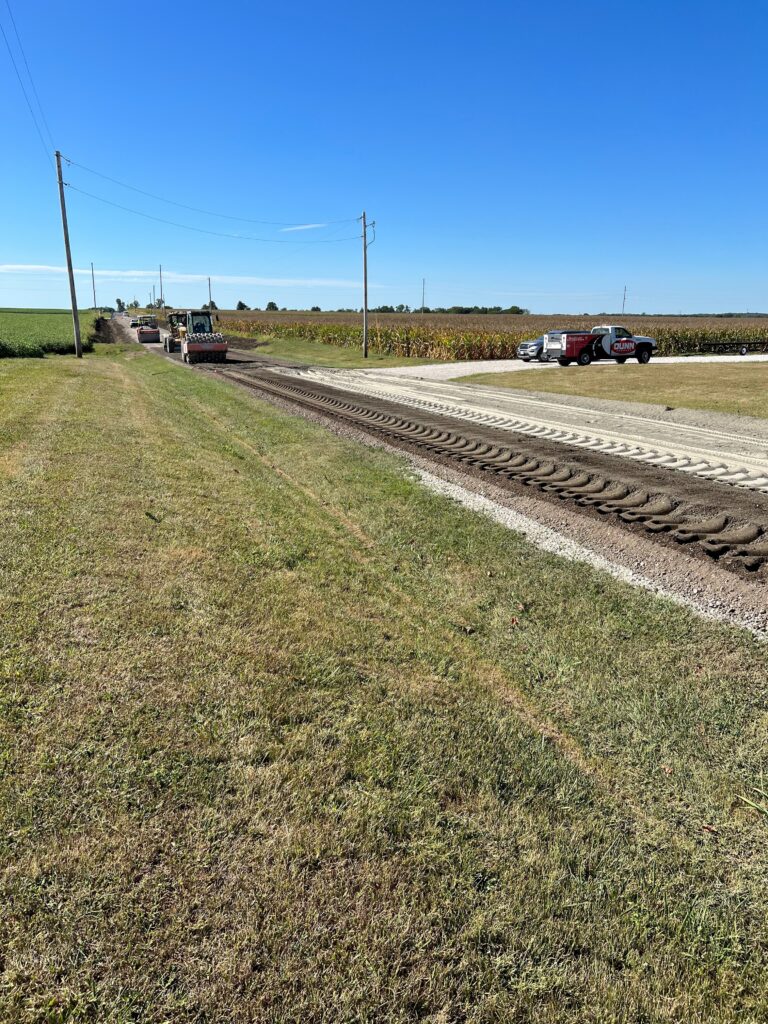
Long-Term Performance Starts Below the Surface
Soil stabilization is a long-term pavement strategy. Improving the subgrade increases structural support, reduces moisture-related issues, and helps extend the life of the surface built above it.
At Dunn Company, we focus on building projects from the ground up. Whether the project is a roadway, site development, access road, or parking lot, proper subgrade preparation and stabilization play a major role in long-term performance and structural integrity.
Frequently Asked Questions
When should soil stabilization be considered?
Soil stabilization should be considered when existing soils are too weak, too wet, highly plastic, or unsuitable for supporting construction traffic and pavement structures. It is commonly used on roadways, parking lots, building pads, access roads, and site development projects.
Is soil stabilization better than removing and replacing soil?
In many cases, stabilization is more economical and efficient than undercutting and replacing soils. Stabilization reduces excavation, trucking, and imported aggregate while improving the strength of the existing subgrade.
What materials are used for soil stabilization?
Common stabilization materials include lime, cement, and fly ash. The material selected depends on the soil type, moisture content, and project requirements.
Does soil stabilization help with moisture issues?
Yes. Stabilization reduces soil plasticity and moisture sensitivity, which helps prevent pumping, rutting, and damage from freeze-thaw cycles.
What types of projects benefit from soil stabilization?
Soil stabilization is commonly used for road construction, parking lots, industrial yards, site development, renewable energy projects, access roads, and building pads.
Start Your Project with a Strong Foundation
If you are planning a roadway, site development project, parking lot, or access road, soil stabilization may be an effective solution for improving subgrade strength and long-term pavement performance. Addressing subgrade conditions early in the project can reduce construction costs, improve schedules, and extend the life of the finished surface.
Contact Dunn Company to discuss your project and determine if soil stabilization is the right solution for your site and soil conditions.
Stay Connected
For more information and to stay up to date on projects, industry information, and construction methods, follow Dunn Company online on Facebook, Instagram, YouTube, and LinkedIn.