
Why Church Parking Lot Maintenance Matters
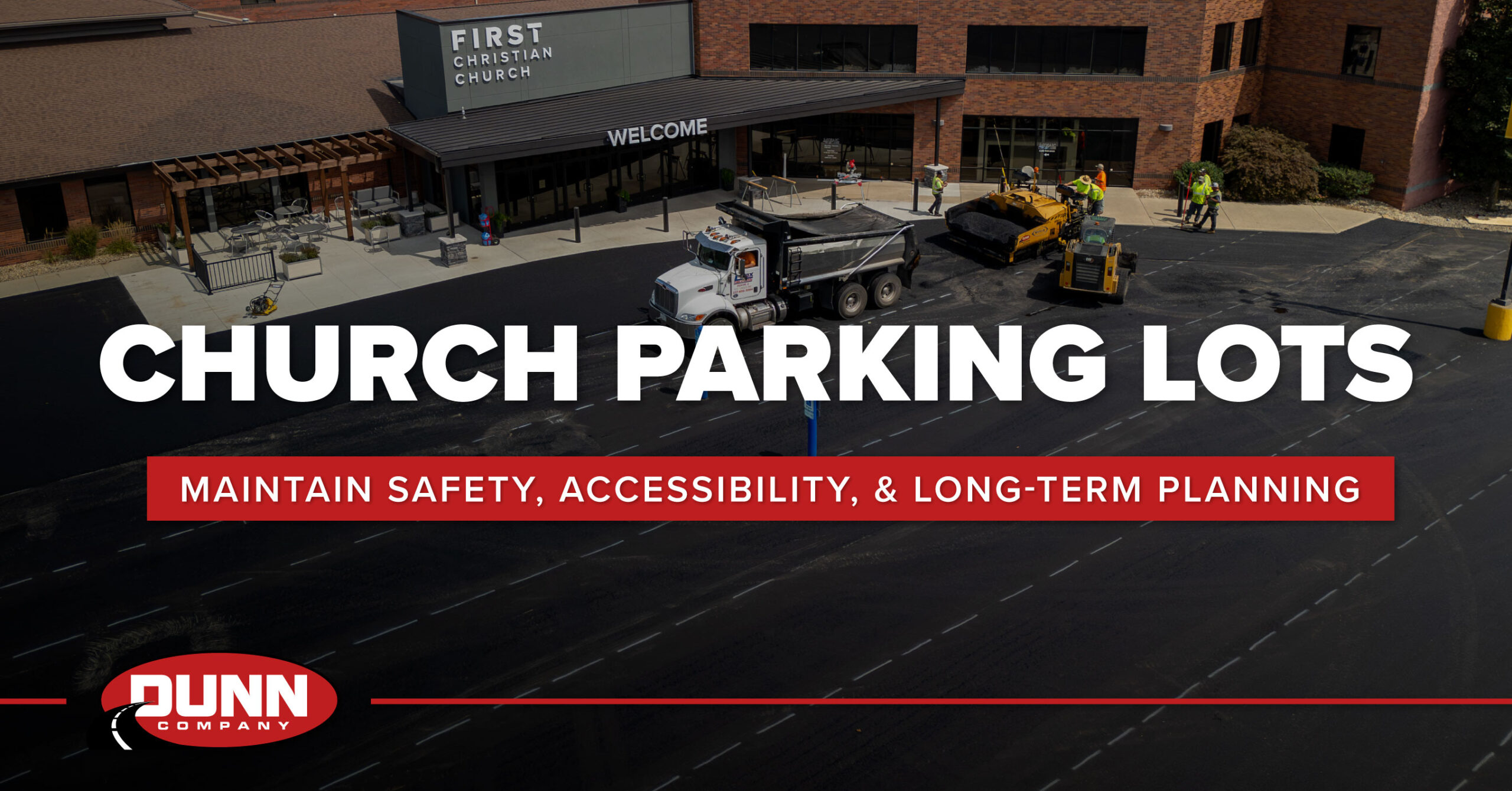
Church parking lots are used every week by families, children, elderly members, and visitors. While parking lots are often overlooked compared to buildings and landscaping, they are one of the most used and most visible parts of a church property. Church parking lot maintenance is important not only for appearance, but for safety, accessibility, and long-term property planning.
Safety for Your Congregation and Visitors
Safety is one of the most important reasons to maintain a church parking lot. Uneven pavement, potholes, large cracks, and faded striping can create hazards for pedestrians and vehicles. Many church members include elderly individuals and families with young children, making safe walking and driving conditions especially important.
Parking lot maintenance helps reduce:
- Trip hazards from cracks and uneven pavement
- Vehicle damage from potholes
- Poor visibility due to faded striping
- Unsafe walking areas between parking rows
- Drainage issues that create ice in winter
- Traffic flow confusion during busy service times
A well-maintained parking lot helps ensure that everyone can safely arrive, walk into the building, and leave after services or events.
Accessibility and ADA Considerations
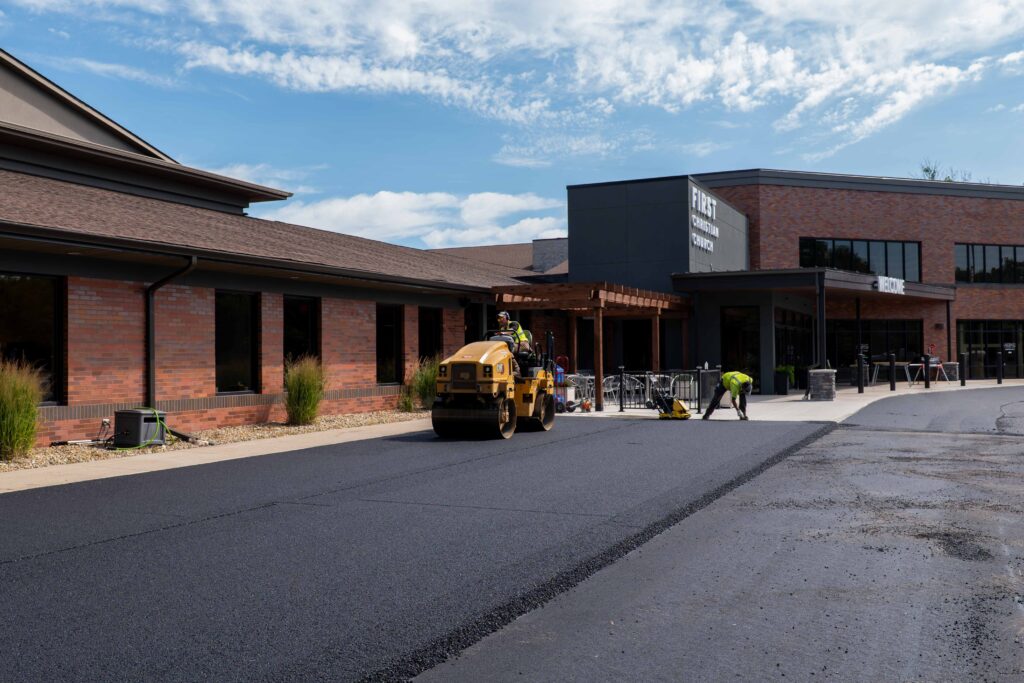
Churches must also consider accessibility when maintaining and planning their parking lots. This includes clearly marked handicap parking spaces, accessible routes to entrances, sidewalk ramps, and proper striping for crosswalks and pedestrian areas.
Proper striping and layout help ensure:
- ADA parking spaces are clearly visible
- Accessible routes are safe and easy to navigate
- Drop-off areas are clearly defined
- Crosswalks are visible to drivers
- Pedestrian traffic is separated from vehicle traffic
Maintaining striping and pavement markings is an important part of keeping a church campus accessible for all members and visitors.
Heavy Traffic in Short Time Periods
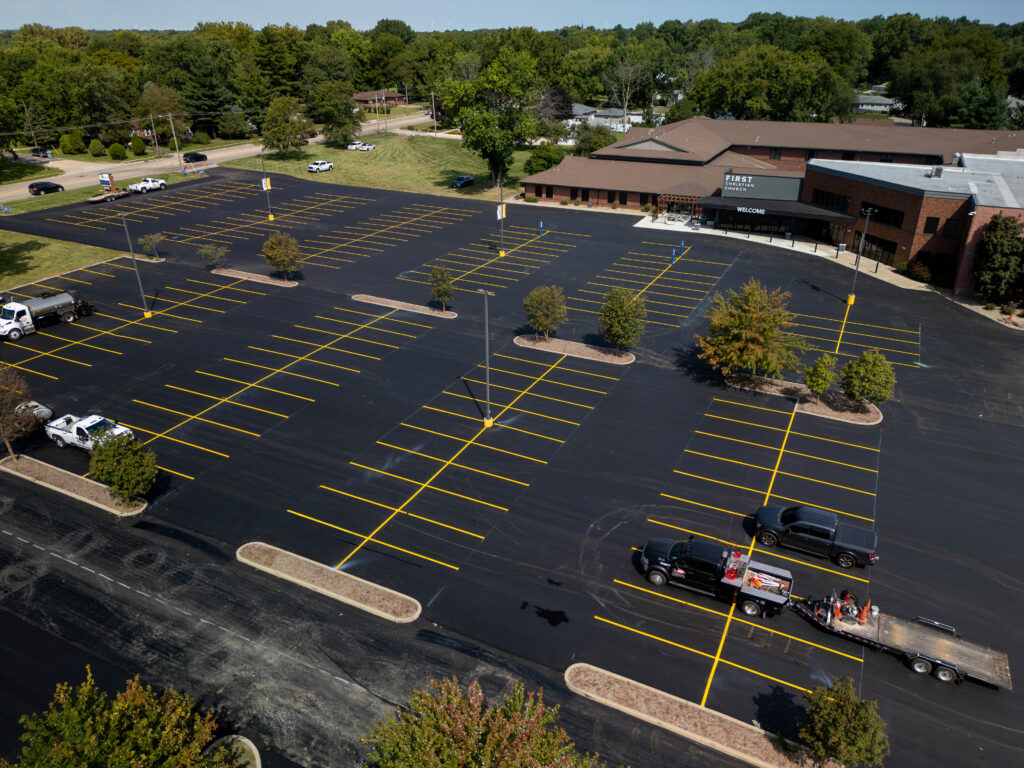
Unlike many commercial parking lots, church parking lots often see very heavy traffic in short periods of time, such as before and after services or during events. This concentrated traffic can put stress on pavement, especially in entrances, drive lanes, and high-traffic parking areas.
Proper pavement structure, base preparation, and ongoing maintenance help parking lots hold up better under these conditions and reduce the need for major repairs.
Planning and Budgeting for Maintenance
Many churches operate on annual budgets and long-term planning. Parking lot maintenance does not always have to be done all at once. Projects can often be planned in phases over multiple years to help manage costs and prioritize the areas that need the most attention first.
Typical parking lot maintenance plans may include:
- Crack filling to prevent water damage
- Sealcoating to protect asphalt and extend pavement life
- Patching failed areas
- Milling and overlaying worn sections
- Re-striping parking stalls and traffic markings
- Full replacement in severely deteriorated areas
Planning ahead allows your church to maintain their property responsibly and avoid unexpected large repair costs.
Asphalt Drainage Is a Major Factor
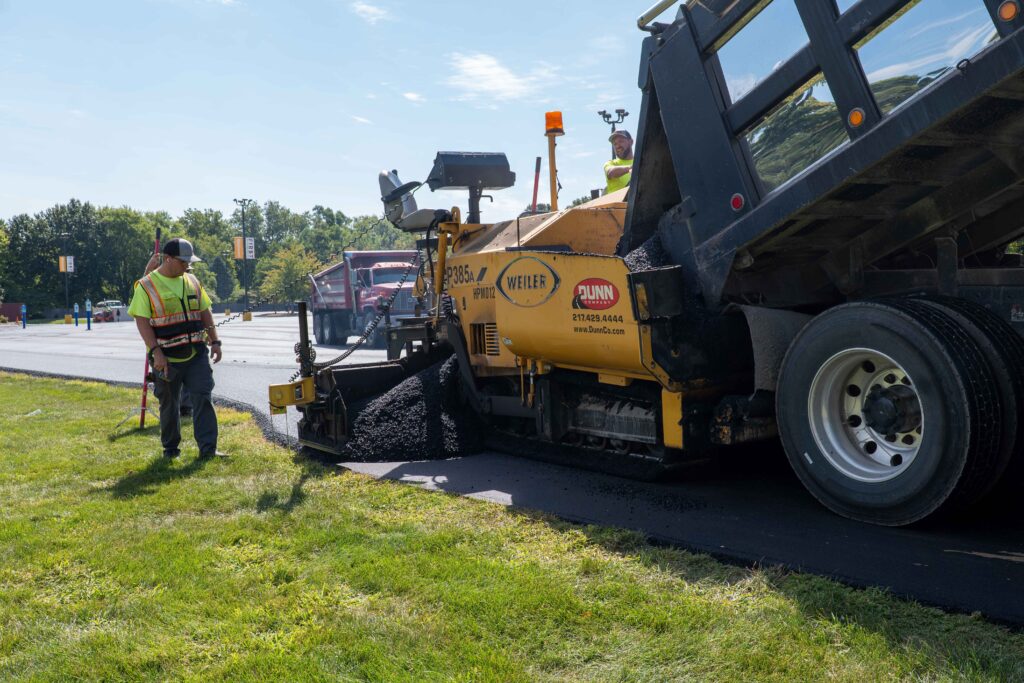
One of the biggest causes of parking lot failure is poor drainage. Standing water can weaken the base under the pavement, cause potholes, and create ice hazards in the winter. Proper grading, drainage structures, and maintenance help prevent these issues and extend the life of the parking lot.
First Impressions Matter
The parking lot is often the first thing visitors see when they arrive at a church. A smooth, well-striped, and properly maintained parking lot creates a welcoming environment and shows that the property is cared for and maintained. Cracked pavement, potholes, and faded striping can give the opposite impression, even if the building itself is well maintained.
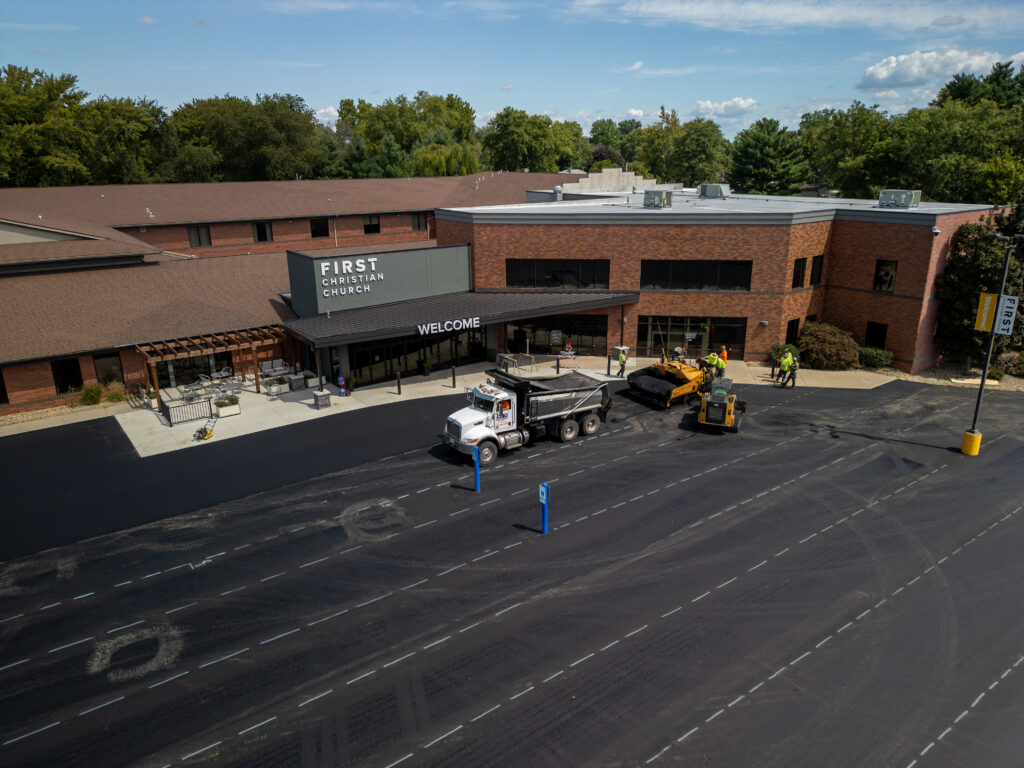
A Well-Maintained Parking Lot Is Part of Good Stewardship
Church properties are long-term investments, and parking lots are a major part of that investment. Regular maintenance, proper planning, and phased improvements help protect the property, improve safety, and extend the life of the pavement.
Maintaining a church parking lot is not just about pavement, it is about safety, accessibility, planning, and taking care of a property that serves the community every week.
Frequently Asked Questions
How often should a church parking lot be sealcoated?
Most asphalt parking lots should be sealcoated every 3–5 years depending on traffic, weather, and pavement condition. Sealcoating helps protect the asphalt from water, sunlight, and general wear, which helps extend the life of the pavement.
When should cracks in a parking lot be repaired?
Cracks should be filled as soon as they begin to form. Crack filling prevents water from getting under the pavement, which can weaken the base and lead to potholes and larger pavement failures.
How do we know if our parking lot needs repair or replacement?
If the parking lot has widespread cracking, potholes, drainage issues, or areas that are settling or breaking apart, it may be time for more significant repairs or replacement. A site evaluation can help determine whether patching, overlaying, or full reconstruction is the best option.
Can parking lot work be done in phases?
Yes. Many churches choose to complete parking lot repairs in phases over time. This allows the highest priority areas to be repaired first while spreading costs over time and planning for long-term improvements.
Why is striping important for church parking lots?
Striping improves traffic flow, increases parking efficiency, and most importantly improves pedestrian safety by clearly marking crosswalks, parking stalls, handicap spaces, and directional arrows.
What is the most important part of a parking lot that people don’t see?
The base and drainage are critical to long-term performance. Many pavement failures are caused by poor base preparation or drainage issues, not the asphalt surface itself.
Planning Your Church Parking Lot Improvements
If your church parking lot has cracking, potholes, drainage issues, or faded striping, it may be time to start planning repairs or improvements. Parking lot projects can often be phased over multiple years to help manage budgets while improving safety and extending the life of the pavement.
Dunn Company works with churches, schools, municipalities, and property owners to evaluate pavement conditions, prioritize repairs, and develop long-term maintenance and improvement plans.
Contact Dunn Company to discuss your parking lot and start planning for future repairs, maintenance, or improvements.
Stay Connected
For more information and to stay up to date on projects, industry information, and construction methods, follow Dunn Company online on Facebook, Instagram, YouTube, and LinkedIn.