
Month: June 2026
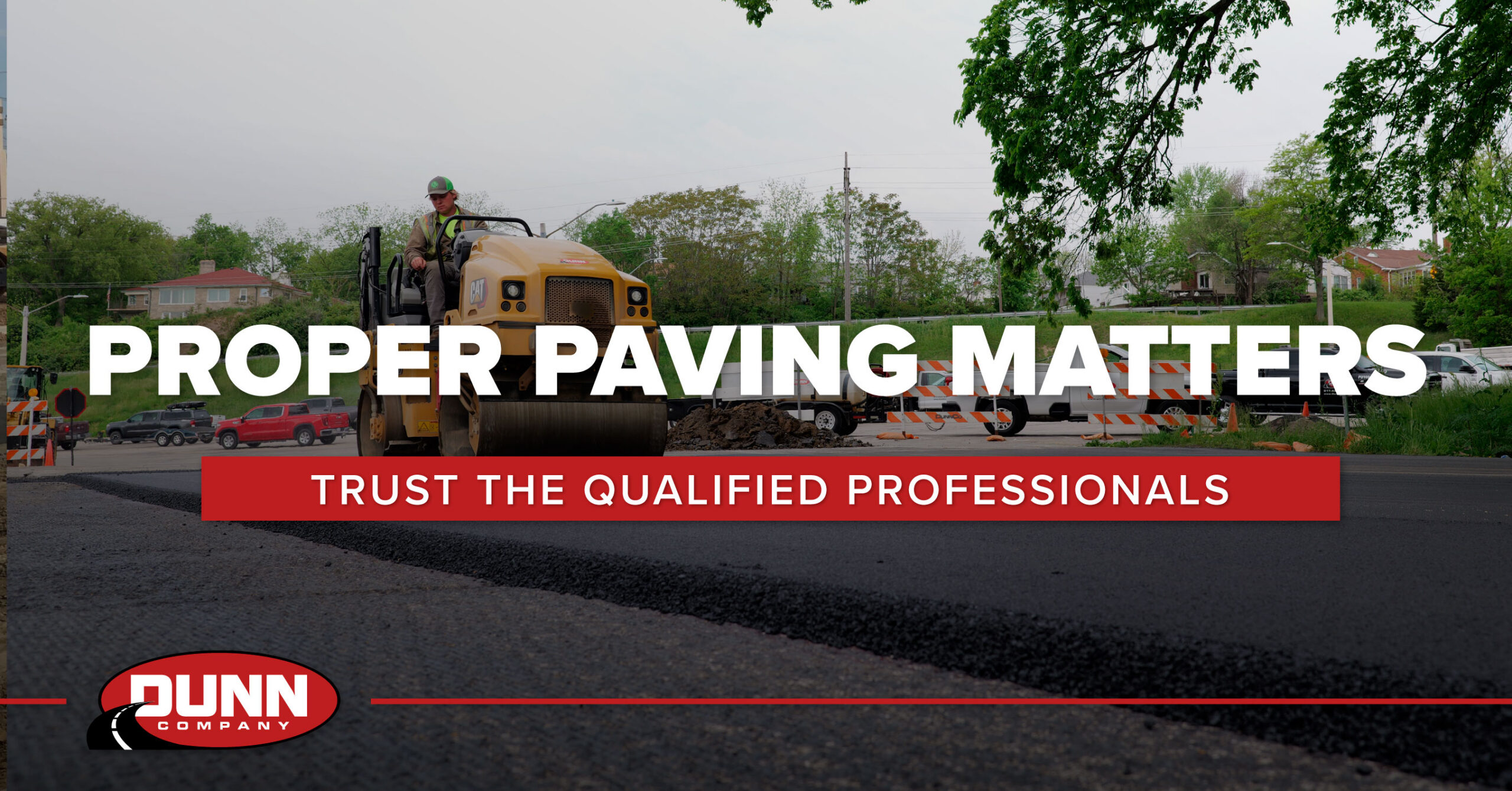
Why Proper Paving and Qualified Professionals Matter
When it comes to parking lots and driveways, the difference between a surface that lasts and one that fails early often comes down to how the project is built. Proper paving techniques and working with qualified professionals are not just about quality—they directly impact long-term performance and overall cost.
Cutting corners may reduce upfront cost, but it often leads to premature cracking, drainage issues, and costly repairs. Doing the job right the first time is what delivers real value over the life of the pavement.
The Cost of Short-Term Thinking
Pavement failures rarely happen overnight. They are typically the result of improper installation, poor material selection, or lack of attention to detail during construction.
Common issues seen with poorly constructed pavement include:
- Premature cracking and surface breakdown
- Drainage problems and standing water
- Rutting and settlement under traffic
- Edge deterioration and base failure
- Frequent patching and maintenance needs
These problems not only affect performance but can quickly add up in repair costs over time.
What Proper Paving Looks Like
A properly constructed parking lot or driveway involves more than placing asphalt. It requires a coordinated approach that considers site conditions, traffic demands, and long-term use.
Key elements include:
- Proper grading to ensure drainage
- Adequate base preparation and compaction
- Correct pavement thickness based on use
- Quality asphalt materials
- Consistent placement and compaction practices
- Attention to joints, tie-ins, and edges
Each of these steps plays a role in how the pavement performs over time.
Why Qualified Professionals Make a Difference
Working with an experienced paving contractor means the project is built with the right approach from the start. Qualified professionals understand how to evaluate site conditions, identify potential issues, and apply the correct construction methods.
They also bring:
- Knowledge of materials and mix designs
- Experience with different project types and conditions
- Proper equipment and trained crews
- Attention to detail during installation
- The ability to meet specifications and expectations
This level of experience helps ensure the final product performs as intended.
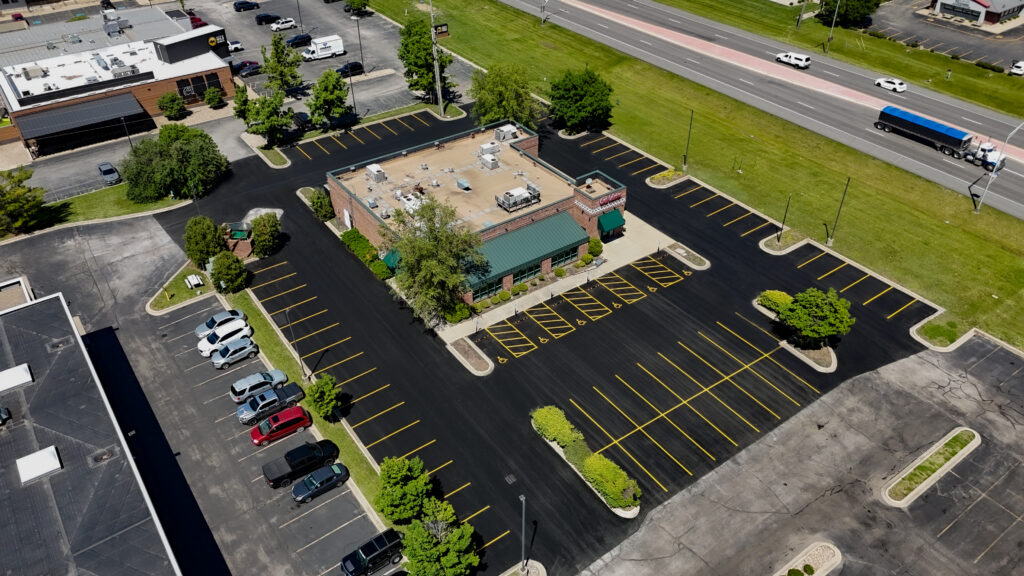
Long-Term Savings Through Proper Construction
While a properly constructed pavement may require a higher initial investment, it typically results in lower lifecycle costs. A well-built parking lot or driveway:
- Lasts longer before major repairs are needed
- Requires less frequent maintenance
- Performs better under traffic and weather conditions
- Maintains a cleaner, more consistent appearance
Over time, these benefits translate into real cost savings and fewer disruptions.
A Product the Community Recognizes
Across the communities we serve, there is a clear difference between pavement that was done quickly and pavement that was done right. Quality work stands out—not just on day one, but years down the road.
At Dunn Company, we take pride in delivering a finished product that reflects proper construction practices and long-term performance. It’s the standard our communities have come to expect.
Frequently Asked Questions
Why is it important to hire a qualified paving contractor?
A qualified contractor understands site conditions, proper construction methods, and material requirements. This ensures the pavement is built to perform, reducing the risk of premature failure and costly repairs.
How long should a properly installed driveway or parking lot last?
With proper installation and maintenance, asphalt pavement can last 15–25 years or more depending on traffic, usage, and environmental conditions.
What are the signs of poor paving workmanship?
Common signs include early cracking, uneven surfaces, poor drainage, raveling, and areas that settle or rut under traffic. These issues often indicate problems during installation.
How does drainage affect pavement performance?
Proper drainage is critical. Standing water can weaken the pavement structure, lead to cracking and potholes, and significantly shorten the life of the pavement.
Can maintenance extend the life of pavement?
Yes. Routine maintenance such as crack filling, sealcoating, and timely repairs can help protect the surface and extend the overall service life.
How can I plan my paving project to avoid future issues?
Start with a site evaluation, work with an experienced contractor, and ensure the project is designed and built for its intended use. Proper planning helps prevent issues and improves long-term performance.
Start Your Project the Right Way
Paving is an investment in your property. Whether it’s a driveway or a commercial parking lot, the decisions made during construction will impact performance for years to come.
If you are planning a parking lot or driveway project, working with the right team makes a difference. From evaluation to execution, every step should be focused on long-term performance.
Contact Dunn Company to discuss your project and build it the right way from the start.
Stay Connected
For more information and to stay up to date on projects, industry information, and construction methods, follow Dunn Company online on Facebook, Instagram, YouTube, and LinkedIn.
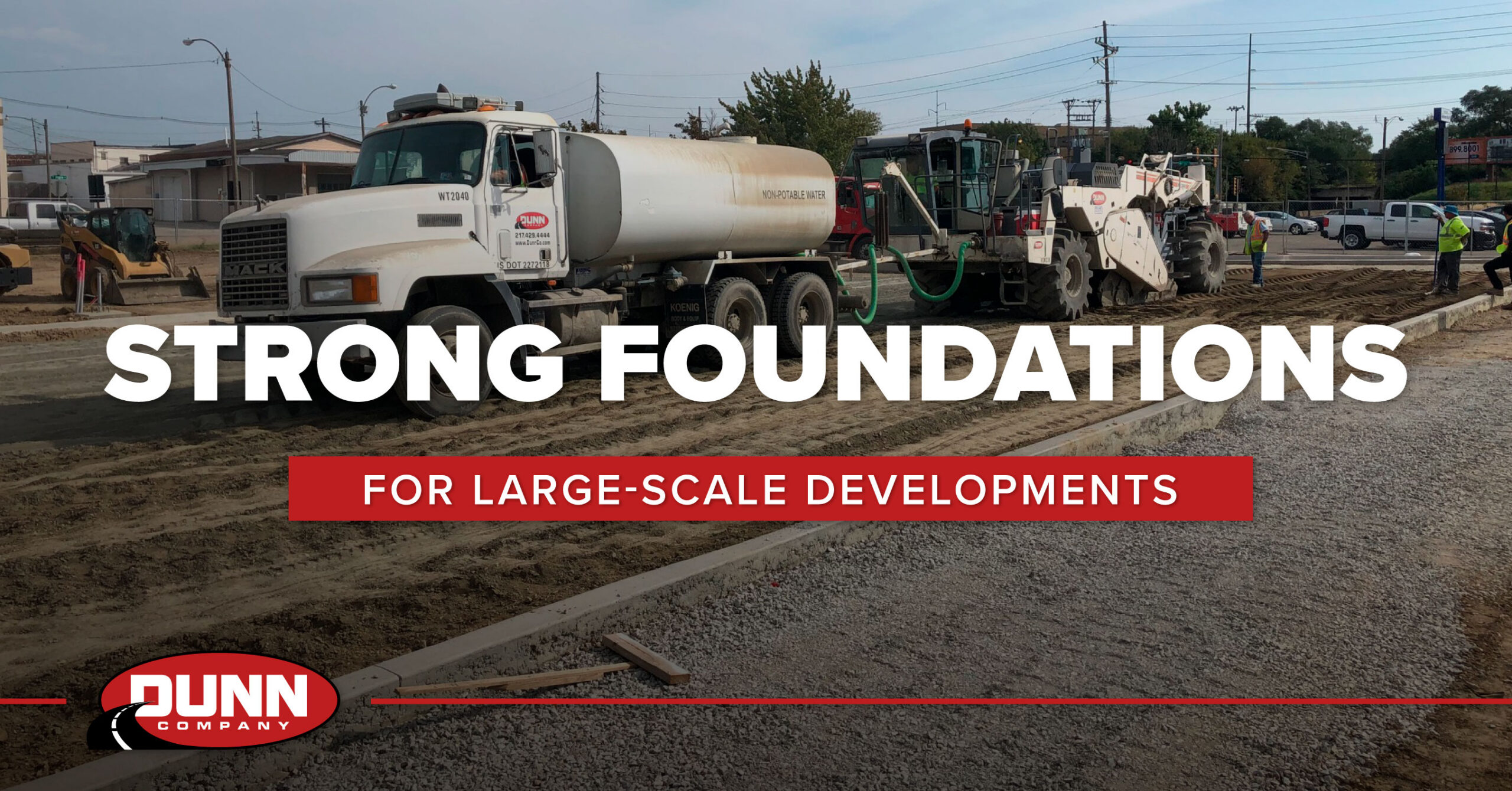
Soil Stabilization for Development Projects
Successful developments start below the surface. Before pavement is placed or structures are built, the condition of the underlying soils plays a critical role in how a project performs over time. When native soils are weak, wet, or highly plastic, soil stabilization provides a practical solution to improve those conditions and create a reliable foundation for construction.
Soil stabilization is the process of modifying existing soils, typically using lime, cement, or fly ash, to improve their engineering properties such as strength, durability, and moisture resistance. Rather than removing unsuitable material and importing new aggregate, stabilization allows developers to improve the soils already on site, creating a stable working platform and long-term support for the project.
Why Stabilization Matters for Development
In development projects, whether commercial, residential, or industrial, the ability of the subgrade to support the needed loads directly impacts performance. Weak soils can lead to settlement, cracking, and premature failure of pavements and foundations.
Stabilization addresses these issues by:
- Increasing shear strength and load-bearing capacity
- Reducing shrink/swell behavior in expansive soils
- Improving moisture resistance and workability
- Minimizing settlement risks over time
These improvements allow construction to proceed on a stronger, more predictable base, reducing the risk of long-term issues.
Benefits for Developers and Contractors
1. Improved Construction Efficiency
Stabilized soils create a firm working platform that can support construction equipment and traffic. This reduces delays caused by soft or wet conditions and helps keep projects moving on schedule.
2. Reduced Excavation and Material Costs
Instead of removing and hauling away unsuitable soils, stabilization allows those materials to be reused in place. This reduces trucking, aggregate import, and disposal costs while improving efficiency on site.
3. Better Long-Term Performance
Stabilization improves the structural capacity of the subgrade, which supports pavement systems, building pads, and access roads. This leads to reduced maintenance needs and longer service life for the finished surface.
4. Moisture Control and Workability
Chemical stabilization reduces soil plasticity and moisture sensitivity, making soils easier to work with during construction and more stable after completion.
5. Consistency Across the Site
Development sites often have variable soil conditions. Stabilization helps create a more uniform subgrade, improving consistency in performance across the entire project footprint.
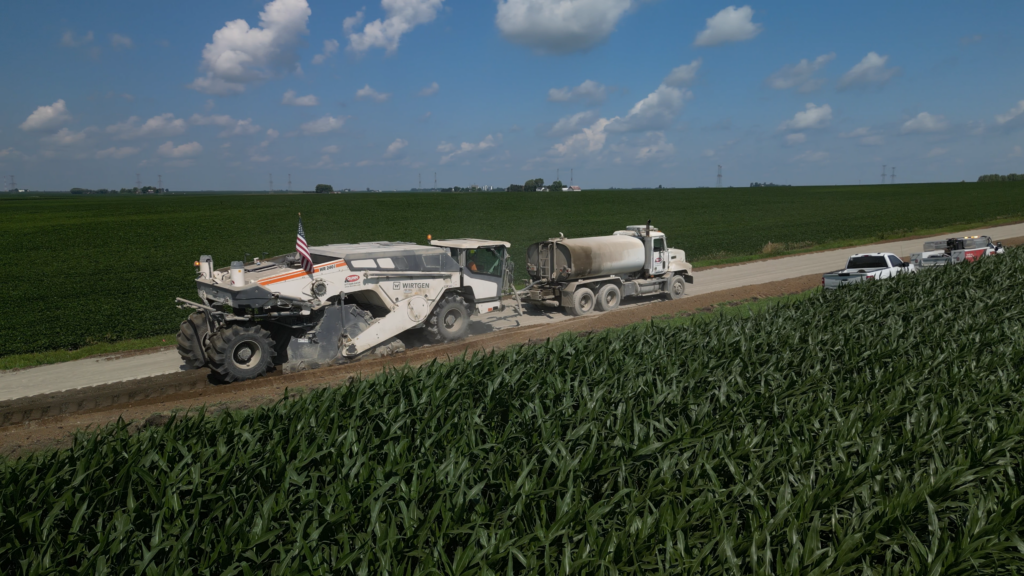
Applications in Development ProjectsSoil stabilization is commonly used in: Commercial site developmentResidential subdivisionsIndustrial yards and facilitiesRoadways and access roadsParking lots and storage areasRenewable energy sites (solar and wind)
Frequently Asked Questions
When should soil stabilization be considered on a development project?
Soil stabilization should be considered when existing soils are too weak, too wet, or highly plastic to support construction. It is often used when subgrade conditions would otherwise require undercutting or could lead to long-term performance issues.
How does soil stabilization compare to undercutting and replacement?
Stabilization is often more efficient and cost-effective than removing and replacing soils. It reduces excavation, hauling, and imported aggregate while improving the strength of the existing material in place.
Can soil stabilization help keep a project on schedule?
Yes. Stabilization creates a firm working platform that allows construction to continue even in less-than-ideal soil conditions. This helps reduce delays caused by soft or wet subgrades.
Does stabilization improve long-term pavement performance?
Yes. By increasing subgrade strength and reducing moisture sensitivity, stabilization supports the pavement structure and helps extend its service life.
Is soil stabilization suitable for all development types?
Soil stabilization is commonly used in commercial, residential, industrial, and renewable energy developments. It is especially beneficial on sites with poor or variable soil conditions.
How does stabilization affect moisture and soil behavior?
Stabilization reduces soil plasticity and moisture sensitivity, making the material more stable during construction and less susceptible to changes from weather conditions over time.
Planning Your Next Development
If you are planning a development project, stabilization may be a practical and effective solution. Contact Dunn Company to review your site conditions and determine the right approach for building a strong, reliable foundation from the ground up.
Stay Connected
For more information and to stay up to date on projects, industry information, and construction methods, follow Dunn Company online on Facebook, Instagram, YouTube, and LinkedIn.