
Month: July 2026
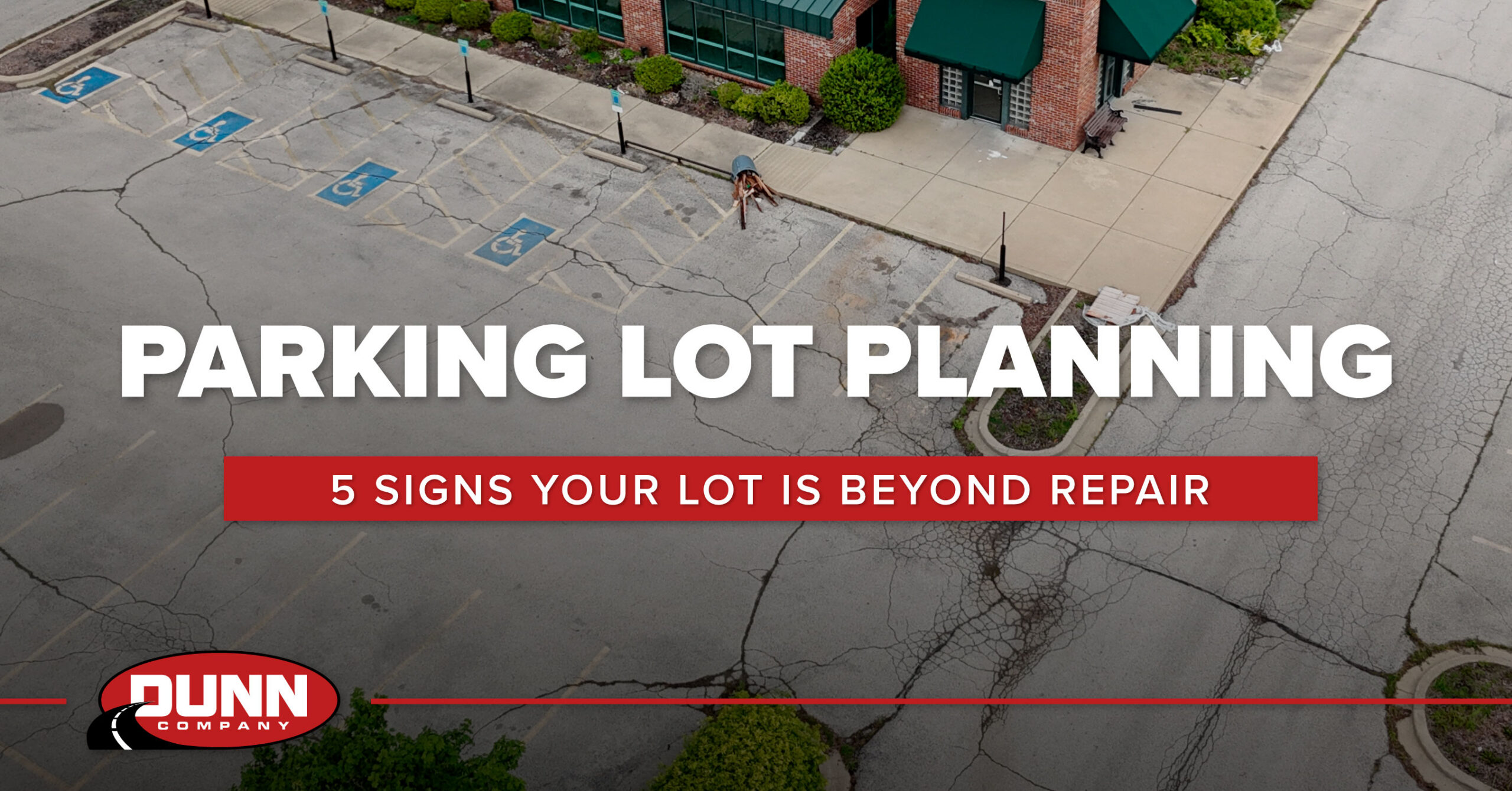
5 Signs Your Parking Lot Needs More Than Maintenance
For many businesses, a parking lot is one of the first things customers experience. It welcomes employees each morning, guides visitors to your front door, and supports daily operations year after year.
Like any investment, your asphalt pavement requires maintenance to perform its best. Services such as crack filling, sealcoating, and localized repairs can significantly extend pavement life when performed at the right time.
However, there comes a point when maintenance alone is no longer enough.
Knowing when a parking lot has moved beyond routine maintenance can help property owners avoid escalating repair costs, improve safety, and make more informed decisions about future improvements.
1. Widespread Cracking Covers Large Areas
A few isolated cracks are normal as pavement ages. In many cases, crack filling can effectively prevent water intrusion and extend the life of the pavement.
But when cracking becomes widespread across large sections of the parking lot, it may indicate deeper structural problems.
Common warning signs include:
- Extensive interconnected cracks
- Fatigue or “alligator” cracking
- Repeated cracking in the same locations after repairs
- Large areas with multiple crack patterns
These types of cracks often suggest that the pavement structure below the surface has begun to fail. In these situations, simply filling cracks may only provide a temporary cosmetic improvement.
2. Potholes Continue to Reappear
Potholes are often a symptom of underlying pavement deterioration.
Occasional pothole repairs are common. However, if potholes continue appearing in the same areas year after year, there may be issues such as:
- Base failures
- Moisture intrusion
- Poor drainage
- Loss of structural support
When this occurs, repeated patching can become increasingly expensive without solving the actual problem.
A more comprehensive rehabilitation strategy may provide a better long-term solution.
3. Drainage Problems Are Becoming More Frequent
Water is one of asphalt pavement’s greatest enemies.
If water is no longer draining properly and standing water remains after rainfall, your parking lot may be experiencing structural settlement or surface deformation.
Signs of drainage problems include:
- Standing water or ponding
- Depressions in the pavement surface
- Water flowing toward buildings or sidewalks
- Areas that remain wet long after rain events
Poor drainage accelerates pavement deterioration and can create safety concerns for pedestrians and vehicles alike.
Addressing drainage issues early can help prevent much larger problems in the future.
4. The Parking Lot Has Been Repaired Repeatedly
There comes a point when continual repairs become less cost-effective than larger rehabilitation efforts.
If your property has required:
- Frequent patching
- Annual crack repairs
- Multiple sealcoat applications on deteriorating pavement
- Ongoing emergency repairs
Now is the time to evaluate whether a resurfacing or reconstruction project would provide better long-term value.
Property owners often discover that investing in a larger improvement project can reduce future maintenance costs while providing a significantly improved appearance and performance.
5. Safety and Appearance Are Being Affected
Your parking lot plays a major role in the experience customers, tenants, employees, and visitors have at your property.
When pavement deterioration begins affecting safety or creating a negative first impression, maintenance alone may no longer be sufficient.
Warning signs include:
- Uneven surfaces creating trip hazards
- Extensive surface deterioration
- Poor ride quality
- Faded or difficult-to-maintain surfaces
- A worn appearance that detracts from the property
A revitalized parking lot not only improves safety but also demonstrates pride in your business and investment in your property.
The Right Solution Starts with the Right Evaluation
Every parking lot is different. Some surfaces can benefit from preventative maintenance, while others may require resurfacing, rehabilitation, or reconstruction to achieve long-term performance.
The key is understanding the condition of your pavement before small problems become major expenses.
At Dunn Company, we work with businesses, churches, schools, and property owners throughout Central Illinois to evaluate pavement conditions and recommend solutions designed for long-term success.
If your parking lot is showing signs of significant wear, now may be the right time to start the conversation.
Frequently Asked Questions
How do I know if my parking lot needs more than sealcoating?
If your parking lot has widespread cracking, recurring potholes, drainage problems, or areas of significant surface deterioration, maintenance alone may no longer be enough. A professional pavement evaluation can help determine whether resurfacing or reconstruction is the better long-term solution.
What is alligator cracking and why is it important?
Alligator cracking is a series of interconnected cracks that resemble the scales on an alligator’s skin. This type of cracking often indicates structural failure beneath the surface and is usually a sign that more extensive repairs are needed.
Can potholes be patched?
In some cases, yes. However, if potholes continue to reappear in the same locations, there may be underlying base or drainage issues that need to be addressed. Repeated patching without correcting the root cause often leads to additional repairs and expense.
What causes parking lots to fail?
The most common causes of parking lot failure include water intrusion, poor drainage, heavy traffic loads, aging pavement, inadequate maintenance, and underlying base failures.
How long should a commercial parking lot last?
The lifespan of a commercial parking lot depends on traffic volume, weather conditions, maintenance practices, and the quality of the original construction. With proper maintenance, asphalt parking lots can often provide decades of service.
How can I extend the life of my parking lot?
Routine crack filling, sealcoating, proper drainage management, and addressing minor issues before they become major problems are some of the best ways to maximize pavement life and reduce long-term costs.
How often should a commercial parking lot be inspected?
Property owners should inspect parking lots annually and after severe weather events. Regular inspections help identify developing issues early, allowing for more cost-effective maintenance and repairs.
How do I know which solution is right for my parking lot?
Every parking lot is different. The best way to determine the right solution is to have an experienced asphalt professional evaluate the pavement condition, drainage, traffic demands, and long-term goals for the property.
Stay Connected
For more information and to stay up to date on projects, industry information, and construction methods, follow Dunn Company online on Facebook, Instagram, YouTube, and LinkedIn.
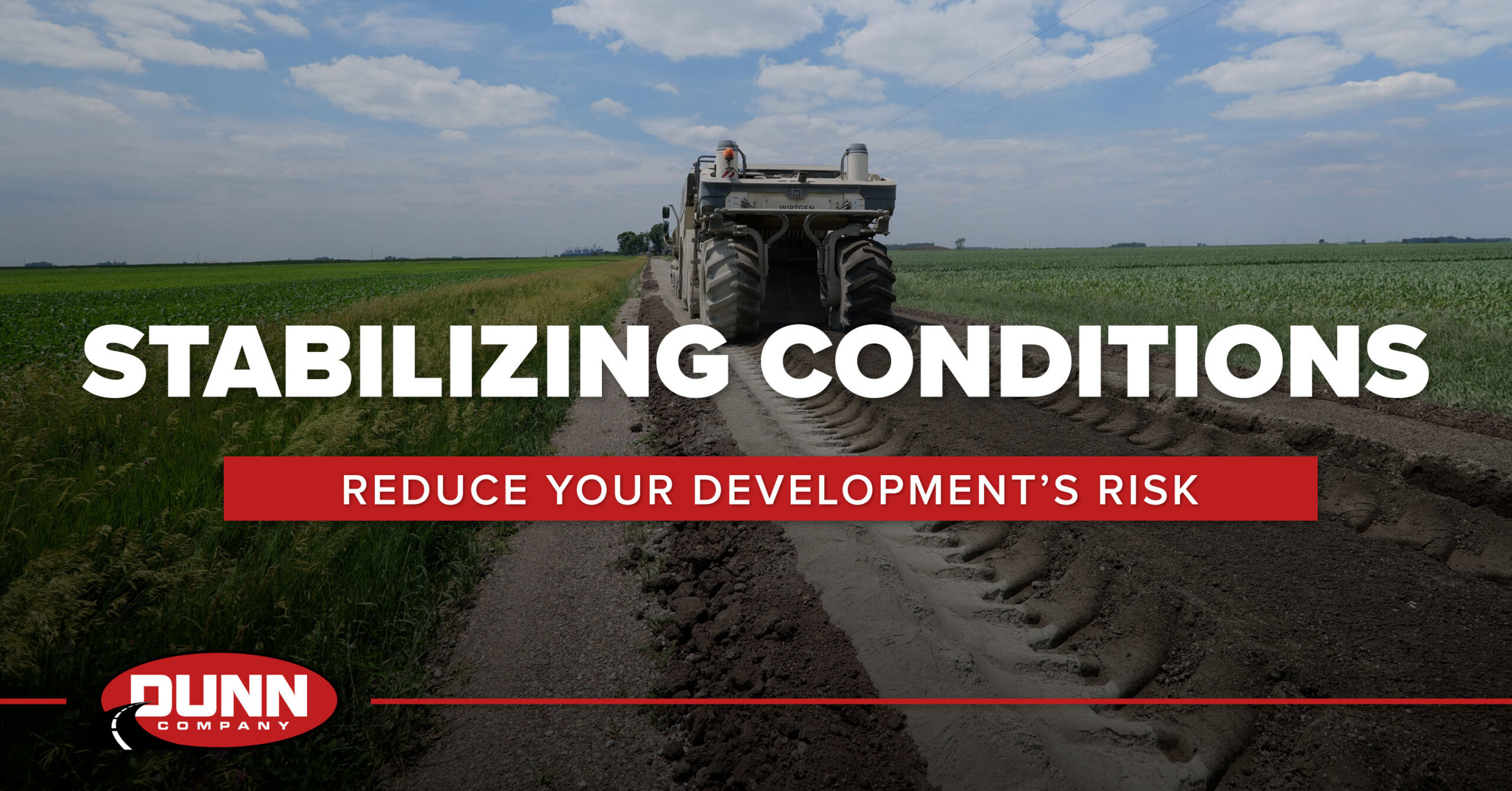
Reduce Risk on Large Development Projects
Large developments operate on tight schedules, significant budgets, and high expectations. Whether it’s a data center, warehouse development, industrial facility, renewable energy project, or large commercial site, delays and unexpected costs can quickly impact project timelines and overall profitability.
While many risks on a project are visible, some of the most costly challenges occur below the surface.
Unstable soils, poor site conditions, and inadequate preparation can create problems long before the first structure is completed. Identifying and addressing these issues early is one of the most effective ways developers can reduce risk and improve the likelihood of project success.
Risk Often Starts Below the Surface
Every development begins with the ground it is built on.
Soft soils, excessive moisture, weak subgrade conditions, and poor load-bearing capacity can create significant challenges during construction. Left unaddressed, these issues can lead to:
- Construction delays
- Reduced productivity
- Increased material costs
- Excessive undercutting and excavation
- Difficult working conditions
- Premature pavement failures
- Unexpected change orders
- Long-term maintenance concerns
The cost of correcting these problems after construction has begun is often substantially greater than addressing them during early site preparation.
Keeping Projects on Schedule
Time is one of the most valuable resources on any development project.
When heavy construction traffic cannot efficiently access the site due to poor ground conditions, progress slows. Equipment becomes less productive, hauling operations become more difficult, and weather events can bring work to a standstill.
Proper site preparation and stabilization help create reliable working platforms capable of supporting heavy equipment and ongoing construction traffic.
By improving site conditions early, developers can often:
- Maintain construction schedules
- Minimize weather-related disruptions
- Improve jobsite access
- Reduce downtime
- Increase overall productivity
Keeping projects moving ultimately reduces risk and helps protect the overall investment.
Controlling Construction Costs
Unexpected site conditions frequently lead to unexpected costs.
Excessive excavation, imported aggregate, repeated grading efforts, and schedule delays can significantly increase project expenses.
Stabilization solutions can help improve existing soils and reduce the need for costly removal and replacement strategies. In many cases, utilizing on-site materials and improving existing conditions can provide both schedule and budget advantages.
Early evaluation and proactive planning allow developers to make informed decisions before problems become expensive.
Protecting Long-Term Performance
Roadways, parking lots, building pads, and site infrastructure are expected to perform for decades. When underlying soils are unable to adequately support these structures, settlement, cracking, drainage issues, and premature failures can occur.
Addressing subgrade challenges during construction helps protect the investment above it and supports long-term performance long after the project is complete.
Strong infrastructure begins with strong ground conditions.
Reducing Risk Through Partnership
Every site presents unique challenges. Successful projects often depend on partnering with experienced teams that understand how to evaluate conditions, identify potential risks, and develop practical solutions before those challenges affect the schedule.
At Dunn Company, we work alongside developers, contractors, engineers, and project teams to provide stabilization solutions that help improve site conditions, support heavy construction traffic, and keep projects moving forward.
From data centers and warehouse developments to industrial and renewable energy projects, our focus is simple: solve problems early, reduce risk, and help create successful outcomes.
Build with Confidence
Large development projects involve enough uncertainty on their own. Site conditions shouldn’t be one of them.
By identifying challenges early and investing in proper site preparation, developers can reduce risk, improve efficiency, and create a stronger foundation for long-term success.
If your next project is facing difficult ground conditions or site challenges, Dunn Company is ready to help you build with confidence.
Frequently Asked Questions
What is soil stabilization?
Soil stabilization is the process of improving existing soil conditions to create a stronger, more reliable foundation capable of supporting construction activities and long-term infrastructure performance.
Why is soil stabilization important on large development projects?
Large developments often involve heavy construction traffic, tight schedules, and significant investments. Stabilization helps improve poor site conditions, reduce delays, and create working platforms that support efficient construction.
How does stabilization help reduce project risk?
Stabilization helps address weak soils and poor ground conditions before they impact the project. By solving site challenges early, developers can reduce schedule delays, minimize unexpected costs, and improve long-term performance.
What types of projects benefit from stabilization?
Data centers, warehouse developments, industrial facilities, renewable energy projects, commercial developments, and large infrastructure projects can all benefit from stabilization.
Can stabilization help keep projects on schedule?
Yes. Improved ground conditions create more reliable access for heavy equipment and construction traffic, helping crews remain productive and minimizing weather-related disruptions.
Does stabilization reduce construction costs?
In many situations, stabilization can reduce the need for excessive excavation, imported aggregate, and repeated grading efforts, helping control overall project costs.
What happens if poor soil conditions are not addressed?
Unstable soils can lead to construction delays, reduced productivity, settlement, drainage issues, pavement failures, and costly change orders during and after construction.
When should stabilization be considered during a project?
Stabilization should be evaluated as early as possible during site development and planning. Identifying challenges early allows project teams to make informed decisions before construction begins.
How do I know if my site needs stabilization?
An experienced contractor can evaluate site conditions, soil characteristics, and project requirements to determine whether stabilization is the right solution for your development.
Stay Connected
For more information and to stay up to date on projects, industry information, and construction methods, follow Dunn Company online on Facebook, Instagram, YouTube, and LinkedIn.